
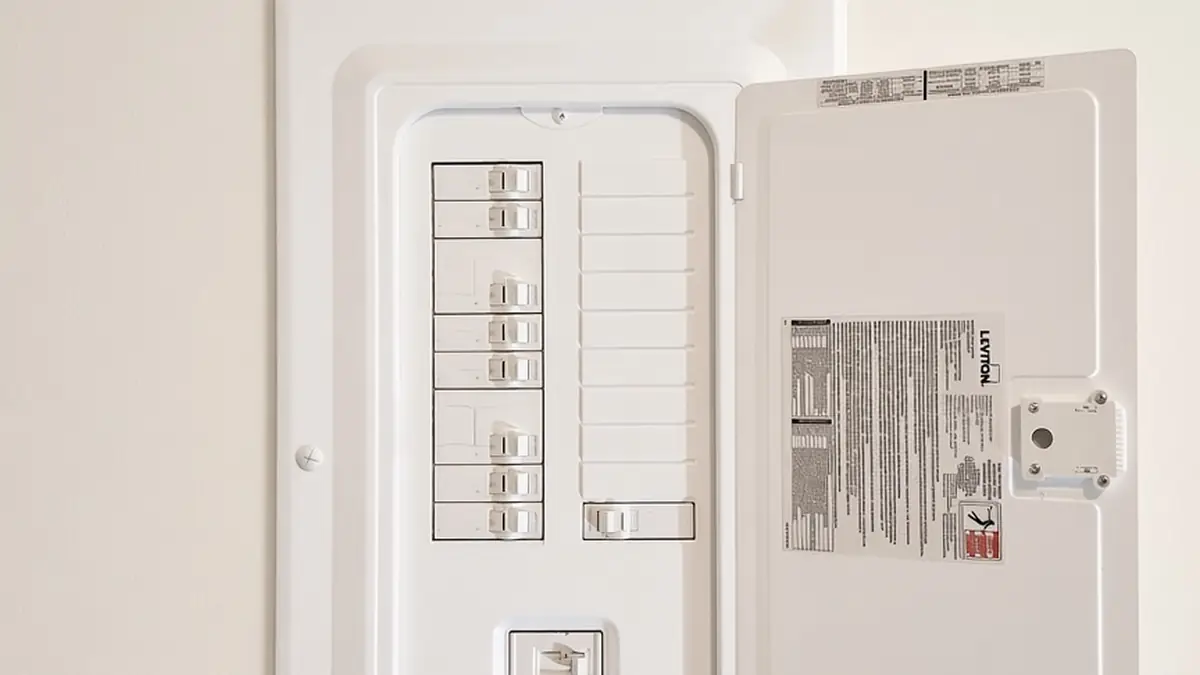
Burning Smell Electrical Panel in Newnan, GA
If you notice a burning smell electrical panel, treat it as an urgent safety warning. An unusual burning odor near your electrical panel usually indicates overheating, loose connections, a failing breaker, or damaged wiring — conditions that can quickly become a fire hazard if not addressed promptly.
At Shocking Electric Solutions, our licensed electricians provide fast, professional inspection and repair for burning smell issues in Newnan and surrounding areas. We locate the exact source of the problem and deliver safe, code-compliant fixes so you can restore confidence in your electrical system.
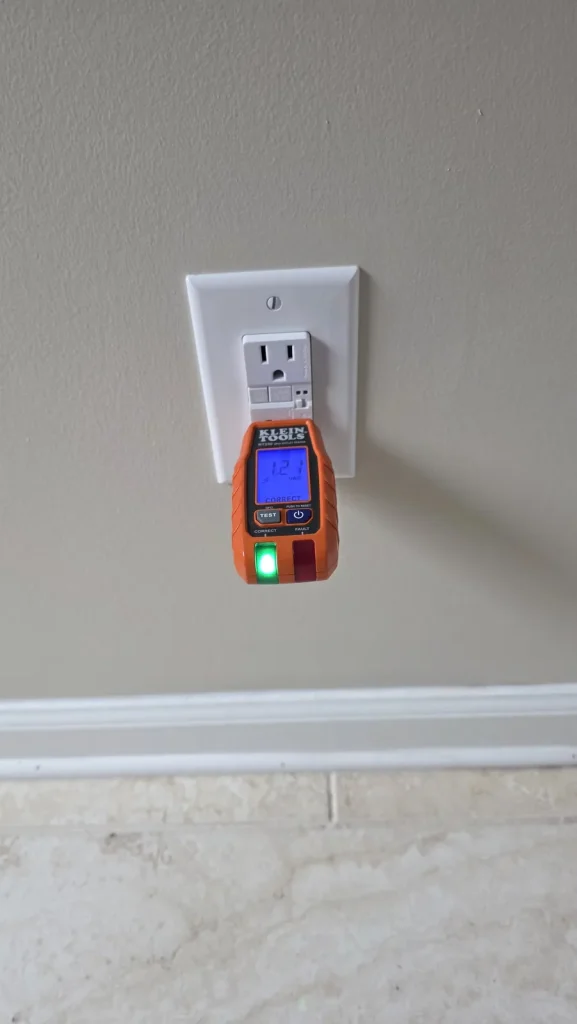
Common Causes of Burning Smell from Electrical Panel in Newnan
A burning smell electrical panel is never normal. The odor is only the symptom — the real issue is excess heat building inside the panel or at its connections. Here are the most common causes we see:
- Overloaded circuits creating excessive heat at breakers
- Loose connections at breakers, lugs, or bus bars
- Failing or aging circuit breakers
- Damaged or degraded wire insulation
- Corrosion or moisture inside the panel
- Outdated or undersized electrical panels
- Improperly installed or mismatched breakers
Because these problems can present with similar symptoms, professional diagnosis is the only safe way to identify the root cause.
Overloaded Circuits and Excessive Heat
Modern Newnan homes use significantly more power than many older panels were designed to handle. When HVAC systems, kitchen appliances, dryers, and other high-demand equipment run together, breakers and wiring can overheat, producing a burning smell.
This issue often becomes noticeable during peak usage hours. If the odor appears when multiple appliances are running, overload is frequently the main contributor.
Loose Connections Inside the Panel
Loose electrical connections are one of the leading causes of burning smells from panels. When lugs, breaker clips, or wire terminations loosen over time, resistance increases and heat builds up, which can damage insulation and components.
Additional warning signs include buzzing or crackling sounds, flickering lights, warm spots on the panel, or intermittent power. Loose connections can lead to dangerous arcing if ignored.
Failing or Aging Breakers
Breakers wear out over time. A failing breaker may overheat internally, fail to trip correctly, or create burning smells even under normal loads. This is especially common in older Newnan homes.
If a specific breaker feels warmer than others or trips randomly, it likely needs professional replacement with the correct UL-listed component.
Damaged Wiring and Insulation
Prolonged heat from overloads or loose connections can scorch or degrade wire insulation. Once insulation breaks down, the burning smell becomes stronger and the risk of short circuits increases.
Proper repair includes inspecting all conductors, re-terminating connections, and fixing the underlying load or connection issues that caused the overheating.
Outdated or Undersized Electrical Panels
Many homes in Newnan have older panels that can no longer safely support today’s electrical demands. An aging panel may show distress through burning smells, buzzing, frequent trips, or warm components.
In these cases, simple repairs often provide only temporary relief. A full electrical panel upgrade is frequently the safest and most practical long-term solution.
Learn more about electrical panel upgrades in Newnan
Related Electrical Issues We Commonly Fix in Newnan
If you’re experiencing similar warning signs, these pages may help:
- Burning smell electrical panel in Peachtree City, GA
- Breaker keeps tripping
- Electrical panel buzzing
- Circuit breaker buzzing
- Signs your house has electrical problems
Warning Signs That Require Immediate Attention
A burning smell is often accompanied by other red flags. Seek professional help right away if you notice:
- Frequent breaker trips
- Flickering or dimming lights
- Buzzing, crackling, or sizzling sounds near the panel
- Warm or hot breaker handles or panel cover
- Visible discoloration or melted plastic
- Intermittent power loss in parts of the home
What To Do Right Away
If you smell burning near your electrical panel:
- Do not open the panel cover yourself
- Reduce electrical load by turning off major appliances if it is safe to do so
- If the smell gets stronger, you hear crackling, or you see smoke — evacuate and call 911 immediately
Make note of when the odor occurs and which appliances were running. This information helps our team during the inspection.
Professional Electrical Panel Inspection & Repair in Newnan
Our licensed electricians perform thorough panel inspections, checking connections, breaker condition, wiring integrity, corrosion, and overall capacity. We provide clear recommendations — whether that means tightening connections, replacing breakers, repairing wiring, or upgrading the entire panel.
Learn more about our electrical troubleshooting services
Serving Newnan and Surrounding Areas
Shocking Electric Solutions proudly serves Newnan and nearby communities including Peachtree City, Sharpsburg, Senoia, Tyrone, Fayetteville, Palmetto, and Grantville.
Smell Burning Near Your Electrical Panel in Newnan?
Don’t wait for a small issue to become a dangerous one. Contact our trusted local electricians today for prompt, professional inspection and repair.
Schedule Electrical Panel Inspection Now
Or call us directly at (678) 552-9399.
Shocking Electric Solutions, your Newnan, GA electrician to learn more about our licensed electrical services in Newnan.
Frequently Asked Questions
Is a burning smell from the electrical panel dangerous?
Yes. It almost always signals overheating that can lead to fire if not corrected quickly. Professional inspection is essential.
Can I fix a burning smell in the panel myself?
No. Electrical panels carry high voltage and serious safety risks. Only a licensed electrician should inspect or repair panel issues.
What causes a burning smell from breakers or the panel?
Common causes include loose connections, overloaded circuits, failing breakers, or damaged wire insulation.