
(678) 552-9399 PLEASE KNOW THAT WE DO NOT WEAR FACE MASKS

Trusted Newnan Electricians for Homes and Businesses — Expert Residential, Commercial & 24/7 Emergency Electrical Services

When you need a dependable electrician in Newnan, safety, code compliance, and a fast, professional response matter most. This guide walks through the electrical services available locally — from around-the-clock emergency repairs to EV charger installation and panel upgrades — and explains how licensed, insured electricians protect people and property with code-compliant work. Many homeowners and business owners aren’t sure when a repair is urgent, how much electrical capacity they actually need, or which permits and inspections apply. Here you’ll find clear decision points, practical next steps, and side-by-side comparisons to make those choices easier. We cover emergency services and how they operate, residential and commercial offerings, what panel upgrades (including 150A vs 200A) mean for capacity and safety, why professional EV charger installation matters, and how to vet electricians in Newnan. Along the way we reference the National Electrical Code (NEC), permitting and inspections, surge protection, and generator transfer options to help you make informed decisions for your property.

What Emergency Electrical Services Are Available in Newnan, GA?
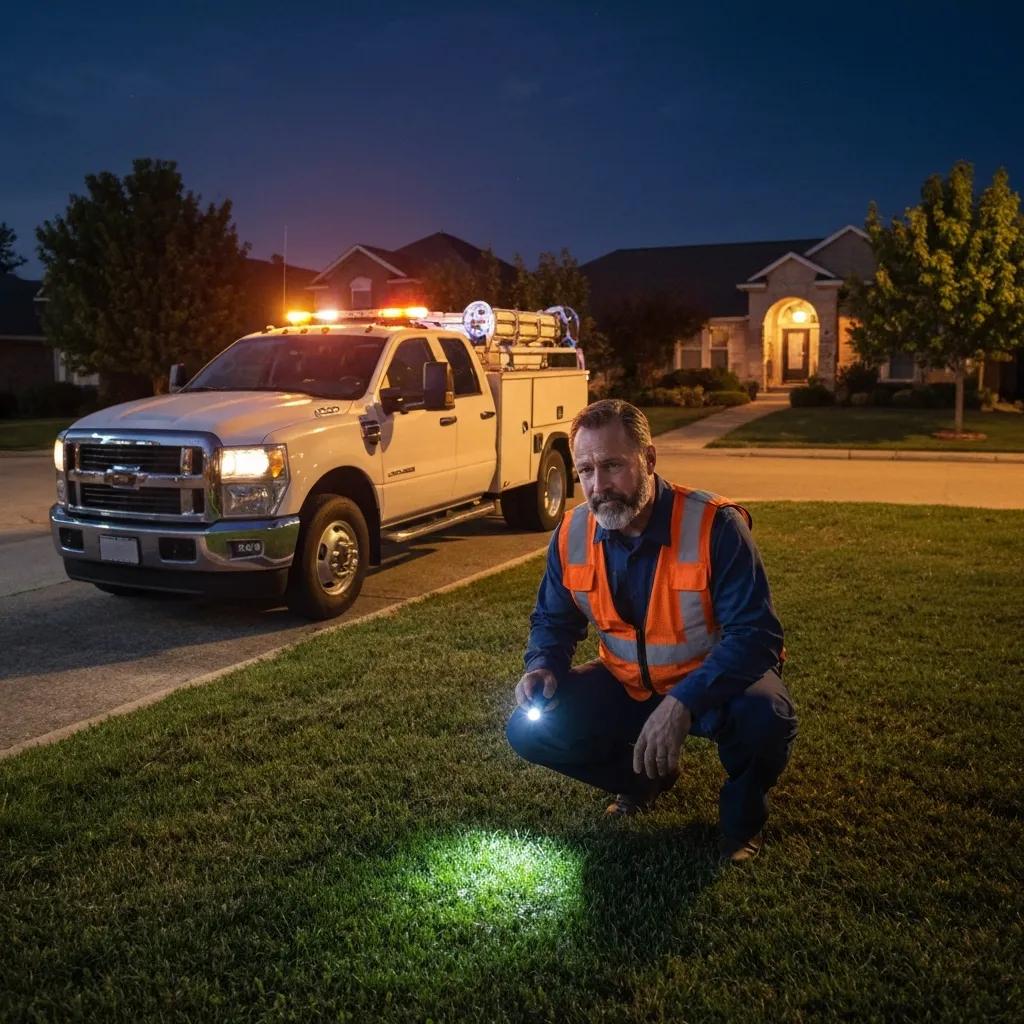
Emergency electrical services are designed to stop hazards and restore safe power quickly for both homes and businesses. Typical responses cover full outages, arcing or sparking circuits, downed or exposed wiring, sudden breaker failures, and generator transfer or setup during prolonged outages. Licensed electricians assess risks, secure dangerous circuits, provide temporary power solutions when needed, and offer a prioritized repair plan that follows NEC guidance and local permitting rules when permanent repairs are required. Knowing what emergency services are available helps property owners take immediate protective steps and set realistic expectations for response time and cost — details we outline below before walking through how emergency service work is carried out and what warning signs to watch for.

Common emergency services typically include isolating hazardous wiring, restoring temporary power, arranging generator transfer or setup, and safe handling of downed lines. The list below summarizes the emergency categories you may encounter and what to expect when you call for help.

  • Power outage response: Diagnose the cause, verify the utility interface is safe, and restore power where possible.
  • Arcing or sparking circuits: Isolate the affected circuit, stop the arcing, and reduce fire risk.
  • Downed or exposed wiring: Secure the area, de-energize circuits, and coordinate with the utility or first responders.
  • Generator transfer / emergency power: Provide temporary power options and safely install or configure a transfer switch.

These situations require quick assessment and containment; the next section explains how a 24/7 emergency electrician service typically operates, from call intake through follow-up repair planning.

How Does 24/7 Emergency Electrician Service Work in Newnan?

A round-the-clock emergency electrician workflow starts with prioritized call intake and triage to determine immediate danger and dispatch the right crew. Dispatchers collect the caller’s location, a description of symptoms (sparks, burning smell, outage), and any hazards so technicians arrive prepared with safety gear and diagnostic tools. On site, electricians perform a fast assessment to find energized risks, secure circuits by switching off breakers or isolating service, and apply temporary fixes — for example replacing a failing breaker or installing a safe temporary feed to restore minimal power. Once the situation is stabilized, they provide a follow-up repair estimate, document issues for permits and inspections if required, and recommend the steps to return the system to a permanent, code-compliant state.

To make triage and response more transparent, the table below compares common emergency service types, typical response windows, cost drivers, and immediate homeowner actions.

Emergency TypeTypical Response TimeTypical Cost FactorsImmediate Homeowner Action
Power outage (localized)1–4 hours depending on causeTravel/dispatch fee, diagnostics, partsTurn off sensitive appliances, check breakers
Arcing or sparking circuit30–90 minutesSafety isolation, replacement parts, possible panel workEvacuate area, shut off the circuit if it’s safe to do so
Downed/exposed wiringImmediate (priority)Coordination with utility, full repair, safety containmentStay clear, keep others away, call professionals
Generator transfer/emergency power1–3 hoursTransfer switch, fuel source, load testingSecure fueling and avoid DIY connections

What Are Common Signs You Need Emergency Electrical Repair?

Spotting urgent electrical issues early prevents fires, shocks, and prolonged outages. Warning signs include persistent burning or electrical odors, visible arcing or sparking at outlets or switches, repeated unexplained breaker trips, panels that feel hot or show rust, and any incident where someone receives an electrical shock. If you see smoke or flame, evacuate immediately and call emergency services first; for non-life-threatening symptoms, shut off the affected circuit and contact a licensed electrician for an assessment. Quick diagnosis often keeps repairs smaller and helps document the issue for permits or insurance.

Knowing these warning signs helps homeowners and business owners act quickly; next we cover the range of residential services a licensed Newnan electrician typically provides.

Which Residential Electrical Services Does a Licensed Newnan Electrician Provide?

Licensed residential electricians offer services that keep homes safe, up to code, and ready for today’s electrical demands. Common services include wiring repair and full rewiring, outlet and lighting installation, electrical panel upgrades, surge protection, smoke and CO detector integration, smart-home wiring, and residential EV charger installation. Each job centers on NEC compliance, occupant safety, and compatibility with modern loads — and licensed pros also handle permits and inspections when needed. Understanding these services helps homeowners prioritize upgrades and schedule the right inspections to protect occupants and improve energy efficiency.

Residential offerings address safety and modernization; the list below highlights common home-level services and the main benefits of each.

  1. Wiring repair and rewiring: Removes hazardous old wiring and lowers fire risk.
  2. Electrical panel upgrades: Adds capacity for modern appliances and EV chargers.
  3. Outlet and lighting installation: Improves convenience and supports smart devices.
  4. Residential safety inspections: Finds hazards and code issues before they get worse.

These services boost home reliability and daily comfort. The section below explains how wiring upgrades improve both safety and efficiency.

How Do Home Wiring Upgrades Improve Safety and Efficiency?

Wiring upgrades replace aging or undersized circuits with properly rated conductors and modern protective devices like GFCIs and AFCIs, which reduce arcing and overload risks that can lead to fires. Converting knob-and-tube or aluminum wiring to grounded copper improves appliance safety, reduces heat from resistance, and supports modern loads such as HVAC systems and EV chargers. Upgrades also help energy efficiency by reducing voltage drop and enabling smarter load management, which can lower utility bills and qualify homeowners for certain incentives. Homeowners who modernize wiring often gain both safety improvements and better compatibility with smart-home systems and efficient lighting.

Improved safety and capacity commonly follow a formal residential electrical safety inspection; the next section outlines what to expect during that assessment.

What Should You Expect from Residential Electrical Safety Inspections?

A residential electrical safety inspection checks the service panel, grounding and bonding, branch-circuit wiring, protective devices (GFCIs/AFCIs), smoke and CO detector integration, and visible outlet and switch condition. Inspectors document findings, flag safety-critical items, and provide a remediation list that may include wiring repairs, breaker replacements, or panel upgrades; they also note work that requires permits and follow-up inspections under local code. Typical reports include photos, clear recommendations, and a suggested timeline for addressing urgent issues. Using a licensed electrician ensures required permits and NEC-based corrections are handled correctly. Addressing items from the inspection reduces risk and often helps with insurance and resale value.

What Commercial Electrical Solutions Are Offered by Newnan Electrical Contractors?

Commercial electrical contractors in Newnan deliver solutions focused on reliability, energy efficiency, and code compliance to keep businesses running. Services often include preventative maintenance contracts, lighting retrofits and controls, commercial panel upgrades, emergency power systems and generator integration, and code-compliance work for tenant improvements or facility upgrades. These services minimize downtime, boost energy performance, and ensure systems meet NEC and local inspection standards. Businesses benefit from tailored service agreements that schedule maintenance, provide rapid repair response, and prioritize dispatch to lower operational risk.

Commercial clients frequently balance efficiency improvements and continuity protections; the list below highlights core commercial services and the value they bring.

  • Preventative maintenance and rapid repair: Cuts unexpected downtime and extends equipment life.
  • LED and lighting control retrofits: Lowers energy use and reduces maintenance costs.
  • Emergency power and generator integration: Keeps critical systems running during outages.
  • Code compliance and tenant improvements: Ensures safe operations and smoother inspections.

These solutions support business continuity and the bottom line. The next section explains how maintenance and repairs directly protect operations and reduce risk.

How Do Commercial Electrical Maintenance and Repairs Support Business Operations?

Regular commercial electrical maintenance prevents minor issues from causing major outages that interrupt operations and revenue. Routine tasks include thermal imaging of panels, tightening and cleaning connections, testing emergency lighting and transfer switches, and replacing worn components before they fail. These measures lower the chance of catastrophic downtime and safety incidents. Repair response agreements typically specify service levels and prioritized dispatch, so businesses can expect quick attention and minimal interruption. Investing in preventive care often delivers measurable ROI by cutting emergency repair costs, reducing lost production time, and improving energy efficiency through proactive upgrades.

Proactive maintenance commonly pairs with lighting upgrades for additional savings; the next subsection looks at those lighting options.

What Are Effective Commercial Lighting Solutions for Newnan Businesses?

Effective commercial lighting combines LED retrofits, smart controls, and targeted design to improve visibility while cutting energy use. Replacing fluorescent or HID fixtures with LEDs delivers longer life and immediate energy savings, while occupancy sensors, dimming, and daylight-harvesting controls optimize runtime and reduce costs. For retail, office, and industrial settings, correct lumen levels and color temperature improve customer experience and worker productivity; integrated controls add scheduling and remote management for further efficiency. Many businesses find that a combined retrofit-plus-control approach provides a strong payback and modernizes facilities for current needs.

After covering commercial solutions, we turn to electrical panel upgrades and how they strengthen capacity and safety for Newnan properties.

How Do Electrical Panel Upgrades Enhance Your Newnan Property’s Electrical System?

Upgrading an electrical panel increases service capacity, improves safety with modern breakers and protective devices, and ensures compatibility with today’s higher-load appliances and EV chargers. A panel upgrade can stop nuisance trips, eliminate overloaded circuits, and align the service with NEC rules and local permitting. A correctly sized panel also leaves room for future additions — HVAC equipment, workshop machinery, or Level 2 EV charging — and modern panels often include surge protection and clearer labeling for safer maintenance. Knowing when to repair versus upgrade is important; the comparison and decision points below will help homeowners and businesses choose the right option.

Panel upgrades provide four main benefits — capacity, safety, code compliance, and future-proofing — summarized below.

  1. Increased Capacity: Supports modern appliances and EV charging without overload.
  2. Improved Safety: Modern breakers, AFCIs/GFCIs, and proper grounding reduce fire and shock risk.
  3. Code Compliance: Brings service in line with NEC and local inspection requirements.
  4. Future-Proofing: Leaves room for extra circuits and smart energy features.

Knowing the difference in ampacity is central to choosing the right upgrade; the next section compares 150A and 200A services and offers guidance.

What Is the Difference Between 150 Amp and 200 Amp Panel Upgrades?

The choice between a 150A and 200A service depends on current electrical load, planned expansion, and specific appliance requirements. A 150A panel commonly meets the needs of moderate households with standard HVAC, kitchen appliances, and light EV charging. A 200A service better suits larger homes, properties with faster EV charging, workshops with heavy tools, or commercial tenants with higher demand. Costs vary because larger service conductors and possible meter or mast upgrades add material and labor, but a 200A panel often provides greater long-term flexibility and can boost resale appeal. The table below compares common panel sizes by capacity, typical use, and relative benefits and costs to help guide your decision.

Panel TypeCapacity / Typical UseBenefits / Cost Range
100ASmall homes or older propertiesLower upfront cost; limited headroom; may need upgrading for modern loads
150AAverage family homeSupports common modern loads; moderate upgrade expense
200ALarge homes / commercial / light industrialFuture-proofing; supports EV charging and workshops; higher initial cost

When Is It Time to Replace or Repair Your Electrical Panel?

Signs that a panel needs replacement include frequent breaker failures, rust or water damage, obsolete fuse boxes or ungrounded systems, and too few circuits for current needs. If breakers won’t reset reliably, the panel is warm to the touch, or you notice burning odors, arrange an immediate inspection — replacement is often the safest option. Repairs can address isolated component failures or small circuit additions, but older panels with systemic issues typically require full replacement to meet code and operate safely. Always plan for permits and inspections when replacing a panel, and prioritize upgrades before adding high-load devices like EV chargers or new HVAC systems.

Panel choices connect directly to EV charging needs, so next we cover professional EV charger installation in Newnan.

Why Choose Professional EV Charger Installation Services in Newnan, GA?

Professional EV charger installation ensures safe wiring, accurate load calculations, NEC-compliant equipment selection, and proper permitting and inspection for both homes and businesses. Licensed electricians evaluate service capacity, recommend Level 1 or Level 2 chargers based on driving habits and property needs, and install required infrastructure such as dedicated circuits, conduit, and any necessary meter or transfer switch upgrades. Correct installation preserves charger warranties, reduces fire and shock risks, and may make your project eligible for local incentives or utility programs. Hiring a qualified pro helps you avoid common mistakes like undersized conductors or improper mounting that can impair performance or create hazards.

Choosing the right charger type and installation scope matters. The table below compares Level 1, Level 2, and commercial DC fast charging with installer considerations and expected timelines to help you decide.

Charger TypeHome/Commercial SuitabilityInstallation Complexity / Timeline
Level 1 (120V)Home use, low daily mileageMinimal wiring, usually plug-in, short timeline
Level 2 (240V)Home or commercial, faster chargingDedicated circuit required, potential panel upgrade, typically 1–2 day install
Commercial DC FastHigh-throughput commercial sitesRequires larger service and specialized installers, longer permitting and construction

The shift to electric vehicles increases demand on electrical systems, and a common hurdle to expanding charging capacity is the rated capacity of existing service panels.

EV Charging Infrastructure: Protocols, Technologies, and Safety

Both vehicle electrification and other high-demand technologies are likely to raise overall electrical energy needs. One common constraint when expanding charging capacity is the rated limit of a building’s service panel.

A comprehensive examination of the protocols, technologies, and safety requirements for electric vehicle charging infrastructure, B Bommana, 2023

What Are the Benefits of Installing an EV Charger at Home or Business?

An EV charger at home or work delivers convenience, predictable charging, and can increase property or workplace appeal by supporting electric transportation. Home charging gives owners control over schedules and rates, reduces reliance on public chargers, and often integrates with smart energy management to favor off-peak charging. For businesses, offering charging attracts employees and customers, supports sustainability goals, and can set you apart from competitors. Professionally installed chargers also protect warranties and ensure safe operation — avoiding installations that could create hazards or void coverage.

Knowing how installations proceed helps you plan. The next section outlines the typical step-by-step process licensed electricians follow for EV charger installs.

How Is EV Charger Installation Performed by Licensed Electricians?

Licensed electricians start EV charger installs with a site assessment and load calculation to confirm service capacity and determine if a panel upgrade or dedicated circuit is needed. The process typically includes obtaining permits, running conduit or trenching if required, wiring the dedicated circuit to the charger location, mounting the unit, and completing testing and commissioning with a final inspection. Electricians also add protective devices such as GFCIs or surge protection and provide paperwork for incentives or rebates when available. After inspection, the technician will demonstrate operation and leave maintenance recommendations to help ensure safe, long-term performance.

With EV charging and panel upgrades covered, the final major topic is how to find a reliable, licensed electrician in Newnan.

How Can You Find a Reliable and Licensed Electrician in Newnan, GA?

Finding a trustworthy electrician means verifying licenses and insurance, checking specialty certifications, confirming transparent pricing, and reviewing local references or satisfaction guarantees. Choose contractors who are licensed and insured, understand NEC requirements and local permitting, and provide clear written estimates that define scope, timeline, and warranty terms. Ask for documentation for specialty work such as EV charger installs or generator transfers to confirm technicians have the right training and experience. Following a methodical vetting process reduces risk and leads to better project results; use the practical checklist below when comparing providers.

Use this checklist to vet electricians and compare candidates efficiently before hiring.

  1. Verify license and insurance: Confirm the license is current and liability coverage is in place.
  2. Ask for specialty credentials: Request proof of EV or generator training where relevant.
  3. Request transparent written estimates: Compare scope, timeline, and itemized costs.
  4. Check references and guarantees: Look for workmanship warranties and customer satisfaction policies.

Applying these checks helps narrow the field to qualified providers; the next section clarifies which qualifications and certifications matter most.

What Qualifications and Certifications Should You Look For?

Key qualifications include a current electrician’s license in the relevant jurisdiction, specialty certifications for EV chargers or generator systems, and proof of general liability and workers’ compensation insurance. A master electrician credential signals broader experience and authorization in many areas, while manufacturer-specific certifications (for EV chargers or generator brands) show training on particular equipment. Always verify licenses via official registries or licensing boards and request insurance certificates to confirm coverage during on-site work. Confirming these items protects you from liability and helps ensure installations meet NEC and local inspection standards.

After confirming credentials, transparent pricing and guarantees set expectations and protect your investment; the next section explains how to evaluate pricing and satisfaction guarantees.

How Do Transparent Pricing and Customer Satisfaction Guarantees Work?

Transparent pricing starts with a written estimate that itemizes labor, materials, permit fees, and any likely contingencies, and that clarifies whether work is flat-fee or hourly. Ask providers to explain cost drivers such as panel upgrades, conduit runs, trenching for EV chargers, or generator transfer complexity so you can compare bids fairly. Customer satisfaction guarantees and workmanship warranties typically cover installation defects for a defined period and should be included in the contract; also ask about follow-up service and emergency response terms. A clear contract and documented guarantee reduce disputes and ensure accountability for quality work.

Choosing the right professional ensures safe installations and predictable outcomes; the checklist above helps you make an informed selection for any Newnan electrical project.

  1. Verify license, insurance, and specialty credentials before hiring.
  2. Request detailed written estimates and compare cost drivers.
  3. Ensure warranty and post-installation support terms are clearly documented.

Following these steps, together with the technical guidance earlier in this guide, will help you confidently address electrical needs in Newnan — from emergency repairs to modernization projects like panel upgrades and EV charger installations.

The move toward electrification, driven by electric vehicles and other high-demand appliances, often exposes capacity limits in older residential electrical panels.

Residential Service Panel Upgrades for Future Electrification Demands

One common barrier for customers wanting to increase charging capacity is the rated limit of their service panel. These panels, owned by the customer, are the link between the utility distribution system and the building’s internal electrical network.

Service Panel Upgrade Needs for Future Residential Electrification, ED Fournier, 2023