Electrical problem at home? Talk to a licensed Newnan electrician.
Free estimates · GA License EN216120 · Mon–Fri 8–5
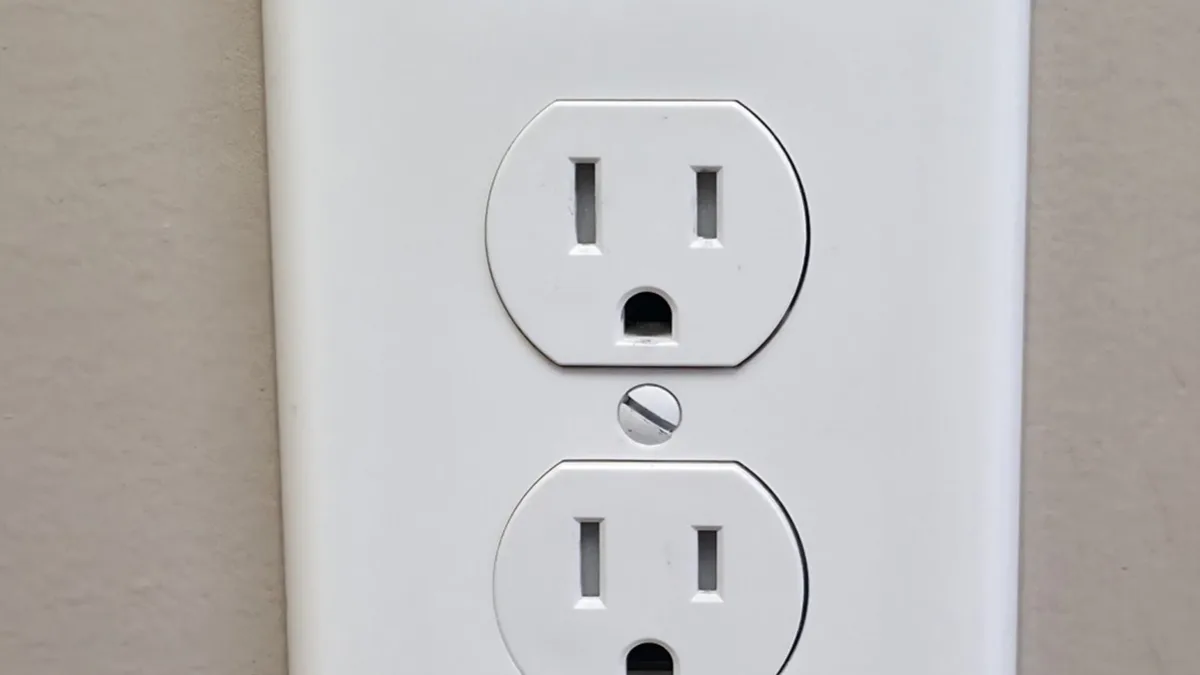
A wall outlet should not feel warm during normal use. If you are asking, “are warm outlets dangerous,” the safe answer is yes – especially when the warmth is noticeable, worsening, or paired with a burning smell, discoloration, buzzing, or a loose plug. Heat at an outlet can mean electricity is meeting resistance where it should not, and that condition can damage wiring or start a fire.
Do not wait to see whether the outlet cools down on its own. A quick response can turn a manageable electrical repair into a much safer, less disruptive service call.
When Is a Warm Outlet Dangerous?
A slightly warm charger block, power strip, or appliance may be normal depending on what it is powering. The outlet cover itself, however, should generally remain close to room temperature. If the faceplate or plug feels warm enough that you notice it immediately, treat it as a warning sign.
An outlet is especially concerning when it is hot to the touch, smells like burning plastic, makes crackling or buzzing noises, has brown or black marks, or feels loose when you insert a plug. Flickering lights, a breaker that trips repeatedly, and a device that cuts in and out can point to the same underlying issue. These are not cosmetic problems. They can indicate overheated connections behind the wall.
For commercial properties, a warm outlet near a workstation, break room, display area, or piece of equipment deserves the same prompt attention. Business outlets are often used harder than residential outlets, and a failing connection can interrupt operations as well as create a safety risk.
Heat Means Something Is Resisting Electrical Flow
Electricity moving through a properly installed outlet and wiring connection creates very little heat. When a connection becomes loose, corroded, damaged, or overloaded, resistance rises. That resistance creates heat at the weak point.
The danger is that the problem may be hidden inside the electrical box. The receptacle, wire insulation, and surrounding materials can be exposed to repeated heating long before a homeowner sees smoke or flame. A breaker may trip, but not every failing connection draws enough current to trip a breaker right away. That is why a warm outlet should never be dismissed simply because the power still works.
Common Reasons an Outlet Feels Warm
The cause depends on the outlet’s age, what is plugged in, the condition of the wiring, and how the circuit was installed. A licensed electrician should inspect the circuit rather than assuming the receptacle alone is the problem.
One frequent cause is an overloaded circuit. Space heaters, portable air conditioners, hair tools, microwaves, coffee makers, power tools, and high-demand electronics can draw significant current. Plugging several of these loads into the same circuit, especially through extension cords or power strips, can overheat an outlet or wiring connection.
Loose wiring is another common culprit. Over years of use, plugs can loosen the internal contacts of a receptacle. Connections behind the outlet may also loosen from vibration, age, poor installation, or prior work. Older outlets that have been painted over, cracked, or used heavily are more likely to have worn components.
Damaged plugs and cords can create heat too. A bent plug blade, frayed cord, or plug that will not stay firmly in the outlet can cause arcing. Arcing is an electrical discharge across a gap, and it creates intense heat in a small area. It may sound like snapping or crackling, but it can also occur without an obvious noise.
In some homes, aluminum branch wiring, outdated wiring methods, undersized circuits, or previous do-it-yourself changes complicate the repair. The visible outlet may be the first place you notice trouble, but the real issue can be farther along the circuit or at the electrical panel.
What to Do If You Find a Warm Outlet
Start by stopping use of the outlet. If the plug and outlet are not hot, smoking, or damaged, unplug the device by gripping the plug body, not the cord. Avoid using the outlet again until it has been inspected. Move the appliance only to another known-good outlet on a different circuit if it is safe to do so and the appliance itself does not appear damaged.
If there is smoke, sparking, a burning odor that continues, visible melting, or an outlet that is hot to the touch, do not handle it. Turn off the breaker supplying that area only if you can do so safely and without approaching an active hazard. Leave the building and call 911 if you believe there is an active fire or immediate threat.
Do not remove the outlet cover, tighten wires, spray anything into the receptacle, or keep testing it by plugging devices back in. Replacing a receptacle without finding the reason it overheated can leave the dangerous connection in place. The same applies to swapping in a higher-amp breaker to stop tripping. A breaker is there to protect the wiring, not to solve an overload.
Why a New Outlet Is Not Always the Whole Repair
Sometimes the repair is straightforward: replace a worn receptacle, repair a loose termination, or correct a damaged plug. Other times, the electrician may find heat damage in the wiring, an overloaded circuit, a failed breaker, or a need for a dedicated circuit for a major appliance.
This is where a proper diagnosis matters. The right repair addresses the source of the heat and checks whether nearby connections have been affected. For example, a space heater repeatedly warming an outlet may call for changes in how the room is powered, while a warm kitchen outlet could point to circuit loading, a faulty GFCI device, or wiring damage in a downstream box.
Modern safety devices may also be part of the solution. Ground-fault circuit interrupter protection helps reduce shock hazards in areas exposed to moisture, such as kitchens, bathrooms, garages, and outdoor spaces. Arc-fault circuit interrupter protection is designed to detect certain dangerous arcing conditions. These devices are not a substitute for sound wiring, but they add valuable protection when installed correctly and where required.
Preventing Outlet Overheating at Home or Work
The best prevention is using each circuit as intended. High-wattage portable appliances should plug directly into a properly rated wall outlet, not into an extension cord or overloaded power strip. Avoid running cords under rugs, through doorways, or where they can be pinched and damaged.
Pay attention to outlets that no longer hold plugs securely. A loose plug connection is not just inconvenient. It can create arcing and heat. Replace cracked covers, damaged receptacles, and cords with exposed wire promptly.
If your home frequently relies on extension cords, you may not have enough outlets or the right circuits where you need them. Adding properly placed outlets, dedicated appliance circuits, or an electrical panel upgrade is often safer and more practical than relying on temporary solutions. The same is true for offices and retail spaces where added equipment has outgrown the original electrical layout.
Older homes throughout Newnan and nearby communities can benefit from an electrical safety inspection, particularly after purchasing a property, starting a renovation, adding an EV charger, or noticing recurring breaker trips. An inspection can identify worn devices, improper wiring, missing protection, and panel concerns before they become urgent failures.
Call for a Safe, Lasting Repair
A warm outlet is one of those warning signs that deserves a professional answer, not a temporary workaround. Shocking Electric Solutions provides licensed, insured troubleshooting and outlet repairs for homeowners, property managers, and businesses in Newnan and surrounding areas. The goal is to identify why the outlet heated up, make the code-compliant repair, and leave the area clean and safe, with work backed by a two-year workmanship warranty.
If an outlet feels warm, stop using it and arrange service as soon as possible. Taking that small warning seriously is one of the simplest ways to protect your property, the people inside it, and the electrical system you depend on every day.
Warm Outlets in Coweta County
A slightly warm outlet under a heavy load can be normal, but a hot or discolored outlet in your Newnan, Senoia or Sharpsburg home needs attention. See our burning smell from an outlet page and our outlet and GFCI services.
Shocking Electric Solutions, Inc. is a licensed Georgia electrical contractor (license EN216120) at 1002 Highway 16 W, Suite A, Newnan, GA 30263. We serve Newnan, Coweta County, Senoia, Sharpsburg, Peachtree City, Carrollton, Riverdale and south Atlanta, and our work is backed by a 2-year warranty. Office hours are Monday through Friday, 8 AM to 5 PM, and we can also help with electrical emergencies.
Ready to get it fixed? Call (678) 552-9399, text (470) 516-7261, or book online.