
(678) 552-9399
Outlet Sparks When Plugging In

Outlet Sparks When Plugging In
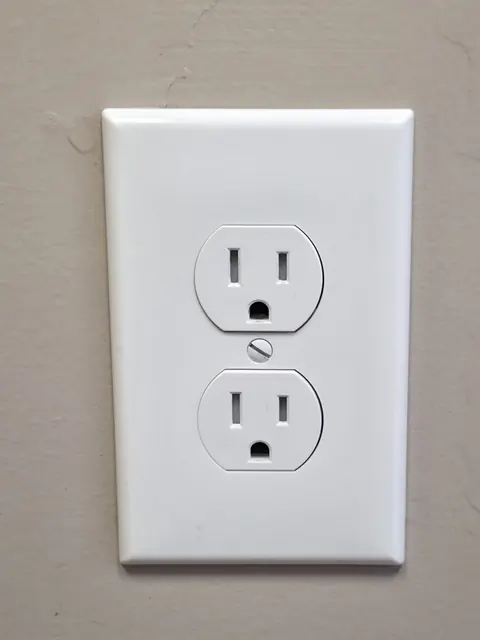
When homeowners notice Outlet Sparks When Plugging In, the reaction is usually immediate concern. A spark at a receptacle can look dramatic even when it is brief, and most people want to know whether it is a harmless moment of electrical contact or a sign of something unsafe inside the wall. Outlets are used every day for lamps, chargers, kitchen appliances, office equipment, and entertainment devices, so any unusual behavior deserves attention. Understanding what causes a spark, when it may be considered minor, and when it points to a deeper problem helps homeowners make better decisions about inspection and repair.

In some homes, Outlet Sparks When Plugging In happens only once with a single plug and never appears again. In other homes, the same outlet throws bright sparks repeatedly, develops a burning smell, feels warm, or stops holding plugs tightly. Those details matter. A tiny blue spark that appears for an instant when a device is connected may not mean the outlet is failing, but recurring or forceful sparking should never be ignored. Shocking Electric Solutions provides licensed troubleshooting and repair services for homeowners who want to understand the cause and restore safe, reliable electrical performance.

Is a Small Spark Ever Normal

A small spark can occur when a device first makes contact with the outlet because electricity begins flowing the moment the metal prongs connect. That quick arc is usually short and contained. Even so, Outlet Sparks When Plugging In should be evaluated in context rather than dismissed automatically. The size of the spark, the type of appliance being plugged in, the age of the outlet, and whether any heat, noise, or odor is present all help determine whether the behavior is normal contact or a warning sign that something else is wrong.

Homeowners should pay closer attention when Outlet Sparks When Plugging In creates a visible flash, repeats frequently, or appears with dark marks around the receptacle. A normal connection spark should not leave scorch marks, make crackling noises, or produce a smell. If the device feels loose in the outlet or the faceplate becomes warm, there may be wear, resistance, or damage building up behind the scenes. Professional inspection helps separate everyday electrical behavior from outlet conditions that need prompt repair before the problem becomes more serious.

Common Reasons Sparking Happens

There are several reasons Outlet Sparks When Plugging In may occur in a home. Sometimes the issue is tied to the receptacle itself. In other cases, the cause is the appliance, the circuit load, or the wiring connected to that box. Because different problems can create the same visible symptom, it is important not to guess. A licensed electrician looks at the condition of the outlet, the fit of the plug, the behavior of the circuit, and the surrounding wiring to determine what is actually causing the spark.

  • Loose electrical wiring
  • Overloaded electrical circuits
  • Worn or damaged receptacles
  • Faulty appliances or damaged cords
  • Short circuits or internal failures
  • Moisture or contamination in the outlet
  • Old components that no longer grip plugs correctly

Each of these causes can make Outlet Sparks When Plugging In look similar from the outside, but the repair path is different in each case. That is why careful testing matters more than assumptions. Replacing a receptacle without addressing overload, wiring failure, or a bad appliance can leave the original hazard in place.

Loose Wiring Connections

Loose wiring is one of the most common reasons Outlet Sparks When Plugging In deserves serious attention. Electrical current moves best through secure connections. When a wire terminal loosens over time, current can jump across tiny gaps instead of flowing smoothly through metal-to-metal contact. That jumping current creates arcing, and arcing creates heat. In an outlet box, that heat can damage the receptacle, discolor the faceplate, weaken insulation, and create a more dangerous condition the longer it continues.

Sometimes a homeowner notices Outlet Sparks When Plugging In at the same time a plug feels loose or a lamp flickers when the cord is moved. Those clues suggest the receptacle or the wiring behind it may no longer be making reliable contact. Loose wiring should be repaired promptly, because the problem usually gets worse rather than better. What starts as a minor visible spark can eventually become a dead outlet, a tripped breaker, or heat damage that affects the box and surrounding materials.

Overloaded Circuits

Another reason Outlet Sparks When Plugging In may appear is excessive electrical demand on the circuit. Many modern rooms serve more devices than they were originally designed to handle. Space heaters, microwaves, coffee makers, air fryers, gaming systems, chargers, and home office equipment all place demands on the same branch circuits. When too many loads are active at once, the electrical system may struggle to deliver power cleanly. The result can be heat at receptacles, nuisance breaker trips, and more noticeable sparking when a new device is connected.

If Outlet Sparks When Plugging In seems more likely when large appliances are plugged in, the outlet may be showing the effect of a circuit that is already near capacity. A quick fix is rarely enough if the real issue is overload. Homeowners may need additional circuits, better load distribution, or an upgraded panel so power is delivered more safely and predictably throughout the house.

Electrical Panel Upgrades

Worn or Damaged Outlets

Receptacles wear out. The internal contact points that hold a plug firmly lose tension over time, especially in busy kitchens, living rooms, offices, and bedrooms where devices are plugged in and unplugged often. When the outlet can no longer grip the plug securely, connection becomes inconsistent. That poor contact increases resistance and makes Outlet Sparks When Plugging In more likely during normal use. The spark may be small at first, but repeated heating can cause the receptacle to deteriorate faster.

Visible damage is another warning sign. If Outlet Sparks When Plugging In happens at an outlet with cracks, discoloration, charring, or a loose faceplate, replacement should be considered promptly. A new receptacle can restore secure contact, but the wiring behind the device should still be checked. Damage on the face often reflects stress or heat that has affected more than the visible surface alone.

Outlet & GFCI Services

Faulty Appliances and Damaged Cords

Sometimes the outlet is not the true source of the problem. Outlet Sparks When Plugging In can be caused by a device with a damaged cord, worn plug blades, or an internal electrical fault. If sparking happens only when one particular appliance is connected, that appliance deserves immediate attention. A frayed cord, bent prong, or failing motor can create abnormal electrical behavior at the moment of connection even if the receptacle itself is still in good condition.

A useful clue is pattern. If Outlet Sparks When Plugging In occurs only with a toaster, vacuum, lamp, or charger and not with other devices, unplug that item and stop using it until it can be evaluated or replaced. Plugging the same faulty appliance into different outlets may spread the risk rather than solve it. Electricians often recommend testing with a known good device as part of the diagnostic process, but that should be done carefully and only when the outlet is otherwise free of heat, odor, or visible damage.

Short Circuits and More Serious Faults

In more severe cases, Outlet Sparks When Plugging In can indicate a short circuit or internal failure that goes beyond normal connection arcing. Short circuits happen when electricity finds an unintended path because insulation has failed, wires have shifted, or components inside a device or receptacle are damaged. This kind of fault can create stronger sparks, immediate breaker trips, or repeated failures every time a plug is inserted. These are not conditions homeowners should try to ignore or work around.

If Outlet Sparks When Plugging In is followed by a breaker trip, crackling sound, or loss of power to nearby outlets, the situation should be treated as a repair issue rather than a normal outlet quirk. The source may be inside the receptacle, along the branch circuit, or within the connected device. Professional troubleshooting is the safest way to find the fault and correct it before it causes wider electrical damage.

Electrical Troubleshooting

What Homeowners Should Watch For

Details matter when evaluating sparking behavior. Homeowners dealing with Outlet Sparks When Plugging In should pay attention to whether the spark is tiny or large, whether it happens once or repeatedly, and whether any other symptoms appear at the same time. Burn marks, warmth, buzzing, a loose fit, or a smell are all more important than the spark alone because they reveal whether heat and resistance are involved. The same is true if a plug seems to wobble or if the receptacle face has changed color over time.

  • Large or bright sparks
  • Frequent sparking with normal use
  • Burning odor near the receptacle
  • Warm outlet covers or plates
  • Dark marks, charring, or discoloration
  • Loose plugs that fall out easily
  • Breakers tripping when the outlet is used

When these warning signs appear together with Outlet Sparks When Plugging In, the safest choice is to stop using the outlet until it has been inspected. Continuing to plug devices into a visibly stressed receptacle can increase heat and worsen the condition quickly.

How Electricians Diagnose the Cause

Professional diagnosis starts with context. Electricians ask when Outlet Sparks When Plugging In happens, what kind of device is being plugged in, whether the outlet has ever felt warm, and whether breakers or GFCIs have tripped. From there, they inspect the receptacle, check the fit of the device, test voltage, and evaluate the circuit serving that location. This step-by-step process helps separate outlet wear from overload, wiring trouble, or device faults.

Testing is important because Outlet Sparks When Plugging In can be misleading when judged by appearance alone. A small spark at a healthy outlet with a heavy-draw appliance is a different situation from repeated sparking at a warm outlet with loose contacts. Electricians use visual inspection, voltage testing, circuit review, and device evaluation to determine which condition is present and what repair will actually solve the problem.

Repairs That Restore Safe Operation

The repair for sparking depends on the source. If Outlet Sparks When Plugging In is caused by a worn receptacle, replacement may solve it. If the cause is loose wiring, the connection must be repaired and the box checked for heat damage. If the circuit is overloaded, more capacity or better distribution may be needed. If a faulty appliance is to blame, the outlet may be fine while the device itself needs repair or removal from service. Good repair work focuses on the cause, not just the symptom.

Once the issue has been corrected, the outlet should provide a secure, stable connection without heat, odor, or visible flash beyond a minimal normal contact spark. Homeowners who have been dealing with Outlet Sparks When Plugging In often notice the difference right away because plugs feel more secure, the outlet behaves consistently, and they no longer worry about whether a simple everyday action could create a hazard.

Electrical Upgrades That Improve Safety

Sometimes sparking reveals a broader need for electrical improvement. Homes with aging outlets, limited receptacle access, heavy daily demand, or outdated panels may benefit from targeted upgrades. In that context, Outlet Sparks When Plugging In becomes a warning sign that the system is being asked to do more than it was designed to handle comfortably. Modernizing key parts of the system can improve safety, convenience, and performance throughout the home.

These kinds of updates do more than reduce the chance that Outlet Sparks When Plugging In will happen again. They also help create a more practical home layout, reduce reliance on power strips, and improve how safely electricity is delivered to the places people use most every day.

How Room Type Influences Outlet Wear

Different rooms create different outlet demands. In kitchens, outlets are exposed to frequent plug changes and higher-draw appliances. In bathrooms, moisture and grooming tools add stress. In living rooms and bedrooms, chargers, lamps, and entertainment devices may stay plugged in constantly. In garages and outdoor spaces, dust, temperature swings, and equipment use can all affect performance. Because of these differences, Outlet Sparks When Plugging In may mean something slightly different depending on where it happens.

For example, Outlet Sparks When Plugging In at a kitchen backsplash outlet used for countertop appliances may be tied to heavy demand or worn contacts. The same spark at an outdoor receptacle may point toward contamination, weather exposure, or a damaged cover. Looking at the room, the load, and the environment helps electricians recommend a repair that fits the real-world conditions affecting that outlet.

Why Early Action Matters

Electrical problems rarely improve by themselves. If Outlet Sparks When Plugging In is caused by wear, the contacts usually continue weakening. If it is caused by loose wiring, heat usually builds with continued use. If it is tied to overload, the same stress will return the next time the circuit is asked to do too much. Early action keeps a manageable problem from turning into a more disruptive and potentially more expensive repair later on.

Prompt service also protects the devices that depend on that outlet. Unstable connections can affect chargers, lamps, computers, and small appliances by delivering inconsistent power or creating heat at the plug. Addressing Outlet Sparks When Plugging In early helps preserve both the receptacle and the equipment people use every day in that room.

Serving Newnan and Nearby Communities

Shocking Electric Solutions provides service for homeowners dealing with Outlet Sparks When Plugging In throughout Newnan and surrounding areas. Our licensed electricians inspect outlets, repair wiring issues, replace worn receptacles, and recommend practical upgrades when circuits or panels need attention. Local service means homeowners can get clear answers and safe repairs without guessing about whether the sparking they are seeing is harmless or a sign of something more serious.

Whether Outlet Sparks When Plugging In is happening in one room or at several outlets, professional diagnosis helps restore confidence in the safety and reliability of the electrical system as a whole.

Electrical Safety Resource

Homeowners who want to better understand outlet safety, overload warning signs, and residential electrical hazards can review the following resource. Public safety guidance helps people recognize when Outlet Sparks When Plugging In should be treated as a repair issue rather than something to keep ignoring during daily use.

Electrical Safety Foundation International

Schedule Electrical Service

If Outlet Sparks When Plugging In is happening in your home, professional inspection can identify the cause and restore safe electrical performance. Whether the spark is tied to loose wiring, overload, a worn receptacle, a faulty appliance, or a deeper short-circuit condition, the right fix starts with accurate diagnosis. Shocking Electric Solutions provides troubleshooting, outlet repairs, and electrical upgrades designed to make homes safer and more dependable.

Do not ignore recurring sparking, heat, odor, or visible damage. Contact our team today to schedule service for Outlet Sparks When Plugging In and get clear answers about what is causing the issue and what repair will protect your home best going forward.

Contact Us

What to Do Before the Electrician Arrives

There are a few safe steps homeowners can take before service is scheduled. Stop using the affected receptacle, unplug the device involved, and look for a nearby tripped GFCI or breaker. These checks do not replace professional diagnosis, but they can provide useful clues safely while you wait for repairs.

Homeowners should avoid removing faceplates, pulling receptacles out of the box, or trying to tighten wiring themselves. Even a receptacle that appears to be off can involve energized parts, and a do it yourself inspection can create more risk instead of less. It is more helpful to make a note of when the sparking happened, what appliance was involved, whether the outlet has felt loose before, and whether any other devices on the same wall are acting strangely. Those details can speed up troubleshooting and help the electrician understand whether the problem is likely device related, circuit related, or centered in the outlet itself.

How Age of the Home Can Affect the Problem

Older homes can be more vulnerable to sparking outlet issues because receptacles may have worn contacts, older wiring may have been extended during renovations, and some rooms simply have fewer outlets than modern families need. In these situations, Outlet Sparks When Plugging In may be one of the first visible clues that the electrical system would benefit from attention beyond a single outlet replacement.

Newer homes are not automatically immune. Even in recently built houses, rooms can evolve quickly as families add computers, media equipment, exercise machines, charging stations, and countertop appliances. Garages become workshops, spare bedrooms become offices, and patios gain lighting or entertainment features. As those changes happen, receptacles can be used in ways the original layout did not anticipate. Looking at the age of the home together with how the room is currently used helps determine whether the issue is isolated wear or part of a broader mismatch between electrical access and daily demand.

Why Better Outlet Planning Helps Long Term

Troubleshooting often reveals how electricity is really being used in a home. When those patterns are identified, repairs can be paired with better planning. Additional receptacles, updated device types, dedicated circuits, or improved placement can make rooms safer and easier to use without depending on temporary cord solutions.

That planning matters because the goal is not only to stop the visible spark. The goal is also to reduce the conditions that led to the spark in the first place. If a room is always short on access, the same heavy use is likely to continue after one receptacle is replaced. If a kitchen counter has become a permanent appliance zone, that area may need more support than an older outlet can provide on its own. The more closely the electrical layout reflects real daily habits, the less likely homeowners are to encounter repeat wear, loose plugs, and avoidable stress at the receptacles they use most.

How Preventive Maintenance Reduces Risk

Preventive electrical attention is often overlooked because homeowners usually call when something stops working rather than when small warning signs appear. Yet receptacles often give advance notice before a serious failure develops. A plug may start feeling loose, a reset button may become inconsistent, or a faceplate may show slight discoloration. These clues matter because they can reveal heat and wear before the outlet becomes dangerous or unusable. Paying attention to them makes it easier to schedule service at a convenient time instead of after a more disruptive failure has already occurred.

Preventive maintenance also creates peace of mind in busy spaces where the household depends on reliable access to electricity. Kitchens, bathrooms, garages, patios, and home offices all see repeated plug changes and frequent equipment use. A periodic review of older or heavily used receptacles can help identify devices that should be replaced before they begin sparking or overheating. Families with children, older adults, or extensive home technology often benefit especially from this approach because safe, stable outlet performance supports many parts of daily life that people rarely think about until a problem appears.

Choosing a Local Electrician for Outlet Safety

Homeowners usually want more than a quick answer to whether a spark is normal. They want to know what caused it, whether other outlets may be affected, and what the best next step is for their home. Working with a licensed local electrician helps because recommendations can be shaped by the property and the way each room is used.

That local perspective becomes even more valuable when the outlet issue appears alongside other symptoms such as tripping breakers, dimming lights, or warm switches. Instead of treating each sign separately, a good electrician looks at the overall picture and explains how the symptoms connect. When homeowners understand why a receptacle sparked and what conditions contributed to it, they can make better decisions about repairs, future upgrades, and how to use the room more safely going forward. That is one reason professional guidance adds value well beyond the immediate fix.

Supporting Safer Homes Every Day

Reliable electricity is easy to take for granted until something unusual happens at the point of use. A spark at the wall interrupts that confidence right away because it turns a routine action into a safety question. In many cases, the solution is straightforward once the true cause is identified. In others, the spark becomes the warning sign that leads to better outlet placement, safer circuits, and a more dependable electrical setup throughout the home. Either way, responding promptly is the best path forward.

When homeowners take Outlet Sparks When Plugging In seriously, they are doing more than reacting to one symptom. They are protecting the devices they use every day, the rooms they rely on most, and the overall health of the electrical system behind the walls. Outlet Sparks When Plugging In should always lead to closer attention when the same outlet shows other warning signs. That kind of attention helps create safer, more comfortable living spaces where power is delivered consistently and routine tasks stay routine instead of turning into avoidable hazards.