
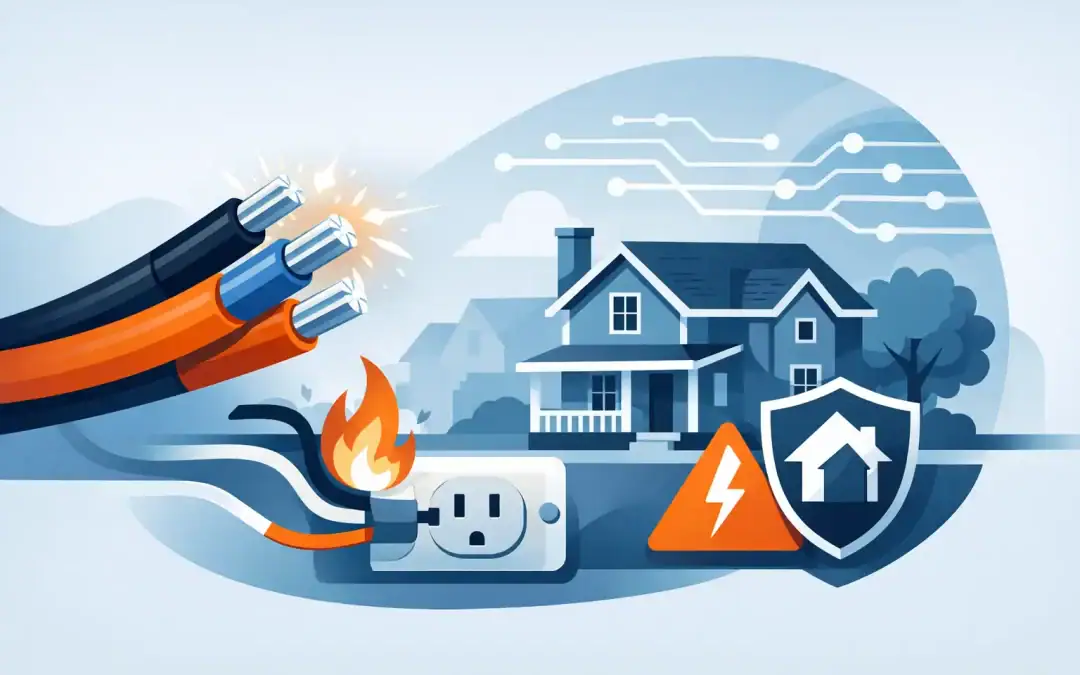
A warm outlet cover, flickering lights in one room, or a breaker that trips without a clear reason can be more than an annoyance in an older home. Aluminum wiring safety deserves prompt attention because loose or improperly repaired connections can overheat behind walls long before homeowners see obvious damage.
Many homes built from the mid-1960s through the early 1970s used aluminum branch-circuit wiring. If your Newnan-area home falls into that age range, do not assume it has a problem – but do not assume it is fine based on appearance alone. A licensed electrician can identify the wiring type, inspect the connections that matter most, and explain the safest path forward without pushing an unnecessary full rewire.
Why Aluminum Wiring Can Create Safety Concerns
Aluminum was widely used as a lower-cost alternative to copper during a period of heavy home construction. The wire itself can carry electricity, but it behaves differently from copper at connection points such as outlets, switches, light fixtures, breakers, and junction boxes.
Aluminum expands and contracts more with temperature changes. Over time, that movement can loosen a connection. It also forms an oxide layer that does not conduct electricity well. When a connection becomes loose or oxidized, resistance increases. Resistance creates heat, and excessive heat can damage insulation, melt devices, scorch a box, or create a fire hazard.
The risk is usually not visible from the room. An outlet may look normal while the connection behind it is overheating. That is why simply replacing a discolored outlet cover or tightening a screw without addressing the approved connection method is not a permanent repair.
Aluminum Wiring Safety Warning Signs to Take Seriously
A home with aluminum wiring does not always show symptoms, but certain warning signs call for a professional electrical inspection as soon as possible. Turn off power to the affected circuit if you can do so safely, and avoid using the device until an electrician has evaluated it.
- Outlets, switches, or faceplates that feel warm
- Lights that flicker, brighten, or dim when appliances turn on
- A burning odor, buzzing sound, or crackling near an outlet or switch
- Discolored receptacles, switches, or wall surfaces
- Breakers that trip repeatedly or circuits that lose power intermittently
- Plugs that fit loosely, spark, or feel unusually hot when removed
A single symptom does not automatically mean aluminum wiring is the cause. A worn receptacle, overloaded circuit, faulty appliance, damaged breaker, or another wiring issue can produce similar symptoms. The right response is still the same: have the system tested rather than guessing at the source.
How an Electrician Confirms What Is in Your Home
A proper inspection starts at the electrical panel and continues through accessible outlets, switches, fixtures, and junction boxes. Aluminum branch wiring is often marked with “AL” or “ALUMINUM” on the cable, although identification may require opening devices and inspecting conductors directly.
The electrician will look for signs of heat damage, loose terminations, incompatible devices, improperly spliced wire, and previous repairs that were not made with materials approved for aluminum conductors. The panel also matters. Connections at breakers and neutral bars need the correct torque and equipment rated for the conductor type.
For property managers and owners of older rental homes, an inspection is especially valuable between tenants or before a renovation. Walls may be opened during other work, providing access to connections that are otherwise difficult to examine. Addressing concerns at that point can prevent emergency calls later.
Repair Options: What Actually Solves the Problem
There is no one-size-fits-all answer for aluminum wiring. The age of the home, condition of the existing wiring, extent of past alterations, accessibility, and local code requirements all affect the recommendation. A qualified electrician should explain the options, costs, and limits clearly before work begins.
Full Copper Rewiring
Replacing aluminum branch circuits with copper wiring is the most comprehensive solution. It removes the aluminum conductors from the affected circuits and allows the electrical system to be updated for current household needs, including added receptacles, modern lighting, AFCI or GFCI protection, and dedicated circuits for larger appliances.
A full rewire is also the most disruptive and often the highest-cost option because it may require access through walls and ceilings, followed by patching and painting. It can make sense during a major renovation, after widespread heat damage, or when the home needs broader electrical upgrades anyway.
Approved Aluminum-to-Copper Repair Methods
In many homes, a full rewire is not necessary. Approved remediation methods can create a reliable copper connection at outlets, switches, and other termination points. One recognized approach uses a specialized crimping system installed by trained professionals. Another may use connectors specifically listed for aluminum-to-copper repairs, when installed exactly as required by the manufacturer and applicable electrical code.
This is not the same as adding a standard wire nut, applying anti-oxidant compound, or installing a device labeled for aluminum use without a complete evaluation. Those shortcuts can leave unsafe connections in place. The repair method must match the wiring, device, enclosure space, and condition of the circuit.
Targeted Repairs for Isolated Problems
If an inspection finds a limited issue rather than widespread concerns, a targeted repair may be appropriate. For example, a damaged outlet connection or an improperly repaired junction box can sometimes be corrected without remediating every circuit in the house.
That approach is sensible only when the electrician has verified the rest of the system is in acceptable condition. A quick fix should not become a reason to ignore similar connections throughout an older home.
Do Not Treat Aluminum Wiring as a DIY Project
Replacing a switch or outlet may look straightforward, but aluminum conductors require more than basic handyman experience. Improper stripping, nicking, torque, connector selection, or device installation can create heat at the connection. Even a repair that works normally for a while may fail later as the conductor cycles through heating and cooling.
Avoid using ordinary connectors not specifically listed for aluminum wiring, and never rely on electrical tape to hide a damaged splice. Do not keep resetting a breaker or continue using a warm outlet while waiting for the problem to disappear. Electrical heat does not correct itself.
If you smell burning, see smoke, hear active arcing, or find a sparking outlet, move away from the area and call for emergency help. If conditions are safe but concerning, schedule an electrical inspection promptly.
Plan Safety Upgrades Around the Way You Use the Home
Older homes were not designed around today’s electrical demand. Home offices, large televisions, kitchen appliances, garage tools, EV chargers, and multiple charging devices can place added strain on circuits that were once lightly used. Aluminum wiring may not be the only issue – undersized circuits, aging panels, missing GFCI protection, and inadequate grounding can all affect safety.
A thoughtful plan looks at the complete system. During an inspection, it may make sense to discuss panel condition, surge protection, new dedicated circuits, or safety devices required for a remodel. That does not mean every older home needs every upgrade. It means repairs should solve the actual problem permanently, not create another service call a few months later.
Shocking Electric Solutions provides licensed, insured inspections and repairs for homeowners, businesses, and property managers in Newnan and nearby communities. You will receive clear findings, honest recommendations, upfront pricing, and clean, professional workmanship backed by a two-year warranty.
If your home was built during the aluminum wiring era, the best next step is simple: schedule a qualified inspection before a small warning sign becomes a damaged connection behind the wall.