
Electrical problem at home? Talk to a licensed Newnan electrician.
Free estimates · GA License EN216120 · Mon–Fri 8–5
A storm can leave a Newnan home without power long enough to spoil groceries, shut down medical equipment, disable a well pump, or turn a comfortable home into a stressful situation. A generator helps, but generator transfer switch installation is what makes that backup power safe, usable, and legal. Without the right equipment, plugging a generator into your home the wrong way can create a serious shock, fire, and utility-worker hazard.
A properly installed transfer switch gives you a controlled way to move selected circuits, or your entire electrical system in some cases, from utility power to generator power. It is not a shortcut project and it is not the same as running extension cords through a window. It is a permanent electrical upgrade that needs to match your panel, generator capacity, home loads, and local code requirements.
Why a Transfer Switch Is Not Optional
The most dangerous generator mistake is backfeeding. This happens when someone attempts to power a home by connecting a portable generator directly to an outlet or improvised connection. Electricity can travel backward through the home’s wiring and onto utility lines. That puts line crews at risk and can severely damage equipment when utility power returns.
A transfer switch prevents the utility and generator from energizing the system at the same time. It isolates the power sources and gives electricity one safe path to the circuits you intend to operate. It also eliminates the clutter, tripping hazards, and limited usefulness of extension cords running to refrigerators, lamps, routers, or freezers.
For homeowners, the value is practical as well as protective. During an outage, you can power the equipment that keeps your property functional instead of making rushed decisions in the dark. The right setup can support critical lighting, refrigeration, internet equipment, a garage-door opener, a security system, a furnace blower, or a well pump. What it can handle depends on the generator and the load plan.
Generator Transfer Switch Installation Starts With a Load Plan
Before selecting equipment, a licensed electrician should identify what you actually need during an outage. A transfer switch is not automatically designed to run every appliance in the building. Trying to power too much with an undersized generator can trip breakers, overload the generator, or damage sensitive equipment.
For many homes, a practical plan focuses on essential circuits such as:
- Refrigerator and freezer circuits
- A few kitchen and living-area lights
- Internet, phone charging, and security equipment
- Furnace, well pump, or septic pump circuits
- A garage-door opener or selected medical equipment
Air conditioners, electric ranges, electric water heaters, clothes dryers, hot tubs, and larger shop equipment draw substantial power. They may be part of a whole-home standby generator design, but they are often excluded from a portable generator setup. Honest recommendations matter here. A smaller system that reliably powers the essentials is often a better investment than a larger plan that exceeds the budget or generator capacity.
An electrician will also consider starting loads. A refrigerator or pump may need a brief surge of power when it starts, even if its normal running power is lower. This is why generator size cannot be chosen by adding a few appliance labels together. The panel configuration, existing electrical demand, and equipment requirements all need to be reviewed together.
Manual, Automatic, and Interlock Options
There is no one transfer solution that fits every property. The best choice depends on how quickly you need power, what you want to operate, and whether you use a portable or permanent standby generator.
Manual Transfer Switches
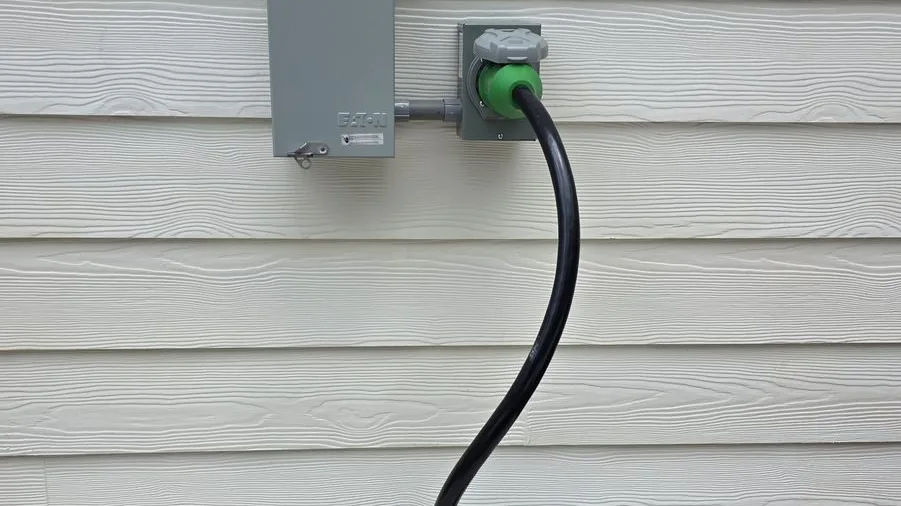
A manual transfer switch is commonly paired with a portable generator. When an outage occurs, you place the generator outdoors, connect it to the approved power inlet, start it, and move the transfer switch from utility to generator power. It is a dependable option for homeowners who want to protect essential circuits without investing in a full standby generator system.
The trade-off is that someone must be present and able to operate the equipment. It also requires safe generator placement every time it runs. The generator must stay outdoors, away from doors, windows, vents, and attached garages to reduce carbon monoxide danger.
Automatic Transfer Switches
An automatic transfer switch is typically installed with a permanently installed standby generator. When utility power fails, the system detects the outage, starts the generator, and transfers power automatically. When utility power returns and stabilizes, it transfers the home back to utility service.
This option is especially valuable for homes with medical needs, frequent travel, temperature-sensitive equipment, or businesses that cannot afford extended downtime. It costs more than a manual setup, but it provides a much faster response with less hands-on work during an emergency.
Panel Interlock Kits
A listed panel interlock kit can be another safe generator connection method when it is compatible with the exact electrical panel. It mechanically prevents the main breaker and generator breaker from being on at the same time. It may allow more flexibility in choosing circuits during an outage, but it still requires careful load management.
Not every panel can use an interlock, and a generic part is not an acceptable substitute. Compatibility, labeling, breaker sizing, inlet placement, grounding and bonding all matter. A licensed electrician can determine whether an interlock, dedicated transfer switch, or automatic system is the safer fit.
What Professional Installation Should Include
A quality generator transfer switch installation begins with an on-site assessment, not a guess over the phone. The electrician should inspect the main panel, available breaker space, service condition, generator type, and desired circuits. Older panels, damaged components, crowded wiring, or a lack of capacity can affect the scope of work.
The installation typically includes a properly rated transfer switch or approved interlock, a weather-rated exterior power inlet for portable generators, correctly sized wiring and breakers, clear circuit labeling, and required grounding or bonding connections. If the project requires a permit or inspection, those steps should be handled as part of a code-compliant installation.
Clean workmanship matters because this equipment may sit beside your main electrical panel for years. Labels should be easy to understand during an outage, and the operation should be explained before the job is complete. You should know which circuits are powered, where to connect the generator, what order to use, and what loads to avoid.
Shocking Electric Solutions provides licensed and insured generator hookup and transfer switch work for Newnan-area properties, with straightforward recommendations and a two-year workmanship warranty on completed work. The goal is not to sell more generator capacity than you need. It is to build a backup-power setup that works safely when you need it most.
Factors That Affect Installation Cost
The cost of a transfer switch project depends on the type of system and the condition of the existing electrical service. A basic manual setup for selected circuits is usually less involved than an automatic whole-home standby system. Distance between the panel and the exterior inlet, generator size, wiring access, permit requirements, panel upgrades, and the number of circuits all influence the final price.
A lower quote is not always the lower-cost choice. Unpermitted work, undersized wiring, unclear labeling, or an improper connection can create expensive repairs later and may compromise insurance or resale. Upfront pricing from a qualified local electrician gives you a clear scope before work begins.
When to Schedule the Work
Do not wait until a major storm is already in the forecast. Transfer switch installation can involve equipment selection, permitting, scheduling, and inspection, depending on the property and system. Booking early gives you time to choose the right generator and avoid emergency decisions.
You should also schedule an evaluation if your existing generator hookup has loose connections, a damaged inlet, missing labels, a breaker that trips during use, or any setup that relies on extension cords for most of the house. Those are signs your backup power plan may not be ready for a real outage.
A generator is only useful when the connection is safe and the circuits are planned. Set up your transfer switch before the next outage, test it under controlled conditions, and keep the operating instructions where everyone in the household can find them.
Transfer Switches for Newnan Storm Season
Summer thunderstorms and the occasional ice storm knock out power across Coweta County, from Senoia to Moreland. A properly installed transfer switch lets you run a portable or standby generator without backfeeding the utility lines, which protects line workers and your equipment. See our generator transfer switch service, and if your panel is crowded or outdated, our panel upgrades.
Shocking Electric Solutions, Inc. is a licensed Georgia electrical contractor (license EN216120) at 1002 Highway 16 W, Suite A, Newnan, GA 30263. We serve Newnan, Coweta County, Senoia, Sharpsburg, Peachtree City, Carrollton, Riverdale and south Atlanta, and our work is backed by a 2-year warranty. Office hours are Monday through Friday, 8 AM to 5 PM, and we can also help with electrical emergencies.
Ready to get it fixed? Call (678) 552-9399, text (470) 516-7261, or book online.