
Electrical problem at home? Talk to a licensed Newnan electrician.
Free estimates · GA License EN216120 · Mon–Fri 8–5
A breaker that trips once may be an inconvenience. A breaker that keeps tripping, a warm outlet, or lights that dim when the HVAC starts can be a warning that something behind the walls needs attention. A home electrical safety inspection gives you clear answers before a small electrical issue turns into a shock risk, equipment damage, or fire.
For homeowners and property managers in Newnan and surrounding communities, an inspection is not about finding reasons to spend money. It is about identifying real hazards, explaining what matters now, and making a plan for work that can be done right the first time.
What happens during a home electrical safety inspection?
A professional inspection looks at the electrical system as a whole, not just the outlet or breaker that brought you concern. The electrician checks accessible components, watches for signs of overheating or improper installation, and evaluates whether your system is providing the protection a modern home needs.
The scope depends on the age of the property, recent renovations, the symptoms you have noticed, and whether the home has specialty equipment such as an EV charger, generator connection, hot tub, or major workshop tools. An older home with original wiring needs a different level of attention than a newer home with a recently upgraded panel.
The visit generally begins with a conversation. Be ready to mention flickering lights, outlets that have stopped working, breakers that trip, buzzing sounds, burning odors, recent storm damage, or any electrical work completed before you owned the home. Details that may seem minor can help pinpoint the source of a problem.
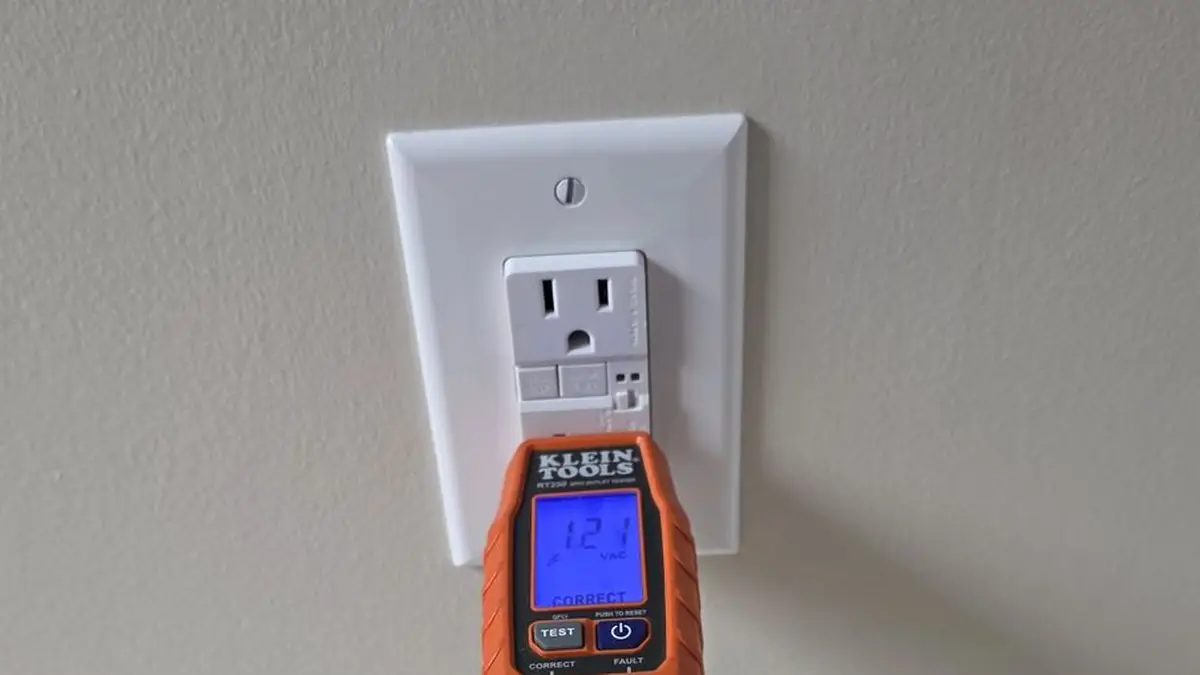
The electrician then evaluates visible and accessible parts of the system, including the service panel, breakers, grounding and bonding components, outlets, switches, lighting connections, and wiring where it can be safely observed. They may test outlets and protective devices to confirm they respond correctly.
A good inspection should end with plain-language findings. You should know what is urgent, what should be planned soon, and what can be monitored. Honest recommendations matter because not every older component requires immediate replacement, but dangerous conditions should never be put off.
Problems a home electrical safety inspection can uncover
Electrical hazards are not always dramatic. In fact, many serious problems start with signs that are easy to dismiss: a loose plug, a breaker that feels hot, or a light fixture that occasionally flickers. An inspection can uncover concerns such as overloaded circuits, loose connections, damaged insulation, incorrect breaker sizing, outdated panels, missing covers, and wiring methods that no longer meet current safety expectations.
Older homes around Newnan may have panels or wiring that were acceptable when installed but are not well suited for present-day electrical demand. Homes now carry more electronics, kitchen appliances, HVAC equipment, home offices, security systems, chargers, and outdoor equipment than they did decades ago. Adding power strips to solve repeated shortages can hide a capacity or circuit problem rather than fix it.
Ground-fault circuit interrupter protection, commonly called GFCI protection, is another common finding. GFCIs are designed to reduce shock risk in locations where electricity and moisture may meet, including bathrooms, kitchens, garages, crawl spaces, laundry areas, and outdoor locations. If an outlet in one of these areas does not test or reset properly, it should be addressed.
Arc-fault circuit interrupter protection, or AFCI protection, can also be important in living areas and bedrooms. These devices help detect dangerous arcing conditions that ordinary breakers may not catch. Requirements vary based on the home, the circuit, and the work being performed, so the right solution depends on the specific situation.
An inspection may also reveal grounding issues, double-tapped breakers, open junction boxes, loose outlets, unsupported wiring, improper extension-cord use, or signs of water intrusion near electrical equipment. None of these should be treated as a do-it-yourself repair if you are not qualified to work safely inside an electrical system.
When should you schedule an inspection?
A home electrical safety inspection makes sense after a clear warning sign, but it is also a smart step before changes that will increase demand on the system. Schedule one before a major renovation, before buying an older home, after storm or water damage, or when preparing to install an EV charger, generator hookup, hot tub, or new large appliance.
It is also worth scheduling if you have moved into a home with unknown electrical history. A standard home purchase inspection can identify broad concerns, but it is not a replacement for an electrical evaluation by a licensed electrician. If the report noted panel concerns, ungrounded outlets, exposed wiring, or questionable repairs, get those items reviewed before they become a surprise expense or safety issue.
Do not wait for a routine appointment if you notice any of these conditions:
- A burning smell, smoke, sparks, or a sizzling or crackling sound near an outlet, switch, fixture, or panel.
- A breaker panel, outlet, plug, or switch plate that is hot to the touch.
- Repeated breaker trips, frequent blown fuses, or power loss affecting part of the home.
- Water near the electrical panel, outlets, wiring, or connected equipment.
If there is immediate danger, move away from the affected area and call for emergency help as appropriate. Do not reset a breaker repeatedly or touch wet electrical equipment. Repeatedly forcing power back on can make the underlying problem worse.
Why panels and protection devices deserve close attention
Your electrical panel is the distribution point for power throughout the property. When it is outdated, damaged, overcrowded, or improperly installed, it can affect every circuit in the home. A panel inspection looks beyond whether the lights currently work. It checks for corrosion, improper wiring connections, missing blanks, labeling problems, breaker compatibility, signs of heat, and available capacity for future needs.
A panel upgrade is not automatically the answer to every inspection finding. Sometimes the right repair is a corrected connection, a dedicated circuit, a properly installed GFCI or AFCI device, or replacement of damaged equipment. Other times, especially when a panel has known reliability concerns or lacks capacity for an EV charger or renovation, replacement is the safer long-term choice.
That distinction matters. The goal is not a short-term patch that gets you through the week. It is a code-compliant repair or upgrade that protects your property and supports how you actually use it.
What to do before the electrician arrives
You do not need technical knowledge to prepare for an inspection. Make a short note of the problems you have seen and when they occur. For example, does the kitchen breaker trip only when the microwave and toaster run together? Do the lights flicker during heavy rain? Does a particular outlet stop working after you use a space heater?
Clear reasonable access to the electrical panel, attic entry, crawl space entry, and affected outlets or fixtures. If you have photos of prior electrical work, renovation records, or inspection reports, keep them available. Property managers should also share tenant reports, recurring maintenance requests, and information about recent leaks or equipment changes.
Avoid opening the panel or removing outlet covers yourself to investigate. The absence of visible damage does not mean a circuit is safe to handle, and loose connections can remain energized.
A safer electrical system starts with a clear plan
Electrical safety is not a one-time concern reserved for very old homes. Newer homes can develop loose connections, storm-related damage, overloaded circuits, and equipment issues too. The right time to act is when you first notice a concern, before you are dealing with a damaged appliance, failed panel, or dangerous overheating condition.
Shocking Electric Solutions provides licensed, insured electrical inspections and repairs for homeowners and rental property owners across Newnan and nearby communities. You get straightforward findings, upfront recommendations, clean professional workmanship, and completed work backed by a two-year warranty.
If something in your home does not look, sound, smell, or operate normally, trust that signal. A prompt inspection can replace uncertainty with a practical path to a safer home.
Electrical Inspections for Newnan-Area Homes
Buyers and sellers in Newnan, Peachtree City and Senoia often ask for an electrical inspection before closing, and owners of older homes near downtown Newnan ask for one before a remodel. An inspection checks the panel, grounding, GFCI and AFCI protection and visible wiring. See our electrical inspection checklist and electrical inspection checklist.
Shocking Electric Solutions, Inc. is a licensed Georgia electrical contractor (license EN216120) at 1002 Highway 16 W, Suite A, Newnan, GA 30263. We serve Newnan, Coweta County, Senoia, Sharpsburg, Peachtree City, Carrollton, Riverdale and south Atlanta, and our work is backed by a 2-year warranty. Office hours are Monday through Friday, 8 AM to 5 PM, and we can also help with electrical emergencies.
Ready to get it fixed? Call (678) 552-9399, text (470) 516-7261, or book online.