
Electrical problem at home? Talk to a licensed Newnan electrician.
Free estimates · GA License EN216120 · Mon–Fri 8–5
A flickering sign, a breaker that will not stay on, or outlets that suddenly stop working can interrupt far more than a normal workday. A qualified commercial electrician helps protect your employees, customers, equipment, and ability to keep operating. For business owners and property managers in Newnan and nearby communities, the right response is not a quick patch. It is finding the cause and correcting it safely.
Commercial electrical problems can grow quietly. A circuit may seem fine until a new piece of equipment is added. An aging panel may handle everyday demand until a busy weekend, summer heat, or expanded operating hours push it beyond its capacity. Addressing those warning signs early can prevent lost revenue, damaged equipment, and serious safety hazards.
Signs You Need a Commercial Electrician
Some electrical issues are obvious: smoke, a burning odor, sparking, or a complete loss of power need immediate professional attention. Shut off power to the affected area if it is safe to do so, keep people away from the hazard, and call for service right away. Do not keep resetting a breaker or attempt to investigate energized equipment yourself.
Other signs can be easy to dismiss, especially when business is busy. Repeated breaker trips, warm outlets or switches, buzzing electrical panels, lights that dim when equipment starts, and cords stretched across work areas all deserve attention. These conditions may point to an overloaded circuit, loose connection, damaged wiring, inadequate grounding, or equipment that needs a dedicated circuit.
A commercial electrician can diagnose the actual source of the problem rather than replacing a visible component and hoping it holds. That distinction matters. Resetting a breaker may restore power temporarily, but it does not explain why the breaker tripped in the first place.
Electrical Work That Keeps Business Moving
Commercial spaces have different electrical demands than homes. Offices, retail stores, restaurants, warehouses, medical practices, and rental properties each use power differently. Lighting, refrigeration, computers, HVAC equipment, point-of-sale systems, security equipment, and specialized machinery can all compete for capacity.
The right solution depends on the building, the equipment, and your plans for the space. A small office adding workstations may need new dedicated circuits and additional outlets. A retail tenant renovation may require lighting changes, switch relocation, and code-compliant wiring before opening day. A property manager may need prompt troubleshooting after tenants report intermittent power or failed exterior lighting.
Common commercial electrical services include repairs and troubleshooting, panel upgrades or replacement, tenant build-out wiring, interior and exterior lighting, outlet and switch installation, GFCI and AFCI protection, safety inspections, surge protection, generator hookups, transfer switches, and EV charger installation. The goal is to make the system safer, more dependable, and suitable for the way the property is actually being used.
Repairs Should Solve the Cause, Not Hide It
A dead outlet is not always an outlet problem. It could be a tripped GFCI device elsewhere in the building, a failed connection, a damaged circuit, or an overloaded panel. Likewise, flickering lights can result from a worn fixture, but they can also signal a loose connection that needs prompt attention.
Good troubleshooting follows the circuit, tests components, and identifies what failed and why. This approach may take more care than swapping a part, but it prevents repeat service calls and reduces the chance of a more serious failure later. For a business, that means less disruption and more confidence that the repair is done right the first time.
Upgrades Need to Match the Space
Older commercial panels and electrical systems are not automatically unsafe, but they may no longer fit the building’s electrical load. If your business has added equipment, expanded services, renovated space, or increased staff, your electrical capacity may need a closer look.
A panel upgrade can create room for new circuits and improve reliability, but it is not always the first answer. Sometimes the issue is a single overloaded circuit, poorly distributed loads, outdated devices, or wiring that requires targeted repair. Honest recommendations should reflect what the building needs, not simply the largest possible project.
Why Code Compliance Matters for Commercial Properties
Electrical codes exist to reduce shock, fire, and equipment risks. In commercial work, code compliance also supports inspections, insurance requirements, lease obligations, and future tenant changes. A repair or installation that appears to work but was completed incorrectly can create costly problems when an inspector, buyer, or new tenant reviews the property.
Code requirements can vary based on location and use. Wet areas may need GFCI protection. Certain circuits may require AFCI protection. Emergency and exterior lighting may have specific requirements. Equipment may need correct disconnects, grounding, or dedicated circuits. A licensed electrician evaluates those details as part of the job instead of treating them as an afterthought.
Permits and inspections may be required depending on the scope of work. That can feel like an added step when you need a repair quickly, but skipping required process can create delays and liability later. A professional contractor should explain what is needed, keep communication clear, and help you plan the work around business operations whenever possible.
Reducing Downtime During Electrical Work
No business owner wants electrical work happening during peak hours. The practical answer is planning. For a scheduled upgrade, lighting project, or renovation, discuss your operating hours, critical equipment, tenant needs, and access limitations before work starts. The electrician can then sequence the job to minimize interruptions.
Some work can be completed before opening, after closing, or in stages. Other projects require a planned outage because there is no safe way to replace a panel, transfer switch, or major component while it remains energized. In those cases, knowing the scope and expected outage window upfront helps you prepare staff, protect inventory, and notify tenants or customers.
Emergency repairs are different. If power loss affects safety systems, refrigeration, essential equipment, or customer access, waiting for a convenient time is rarely the best choice. Fast diagnosis and a clear explanation of repair options help you make the next decision with confidence.
What to Expect From a Local Commercial Electrical Contractor
Before work begins, you should understand the issue, recommended repair or installation, and expected cost. Upfront pricing does not mean every issue can be quoted over the phone – intermittent failures and concealed wiring often require on-site troubleshooting first. It does mean you should not be left guessing about the work being proposed.
Look for a licensed and insured contractor that communicates clearly, respects the property, and leaves the work area clean. Commercial clients also benefit from a contractor that understands the value of documentation, dependable scheduling, and responsive updates when conditions change.
Shocking Electric Solutions has served Newnan and surrounding communities since 2008 with safe, code-compliant electrical work for local businesses, property managers, and homeowners. As a family-owned contractor, the team focuses on clear recommendations, clean professional workmanship, and repairs that are meant to last, backed by a two-year workmanship warranty.
Plan Ahead Before the Next Electrical Failure
The best time to evaluate a commercial electrical system is often before a breaker starts tripping during a rush or a panel fails when you need it most. If you are renovating, adding equipment, preparing for an EV charger, improving lighting, or taking over a tenant space, bring electrical planning into the project early.
For existing properties, pay attention to recurring symptoms and do not normalize them. A breaker that trips once may have a reasonable cause. A breaker that trips repeatedly is a message that the circuit needs professional evaluation. The same is true for flickering lights, hot devices, unreliable outlets, and unexplained power interruptions.
Your building’s electrical system should support your work, not become another daily concern. A timely service call can turn a small warning sign into a clear, permanent solution before it affects the people and business that rely on your property.
Commercial Electrical Work Around Newnan and Coweta County
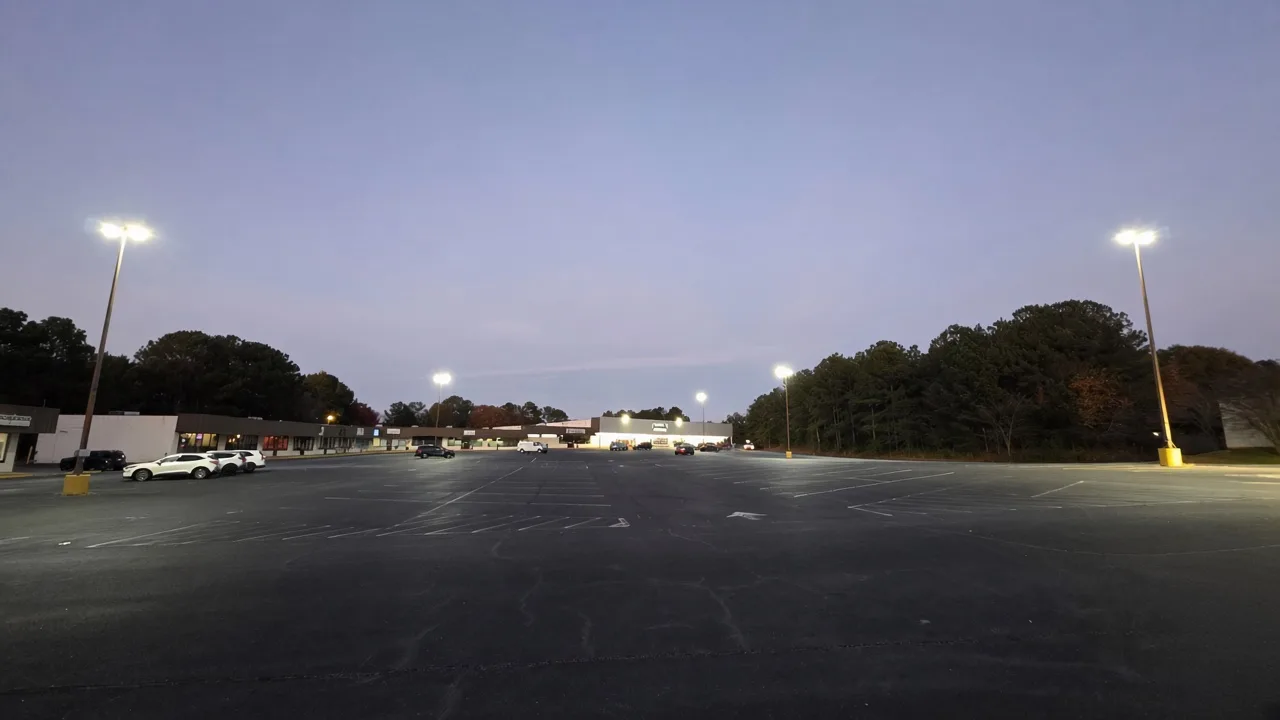
From offices and shops along Bullsboro Drive and Highway 34 to small warehouses toward Sharpsburg and Peachtree City, local businesses usually call us when a tripping circuit, failing lighting or a planned build-out starts to affect the workday. We schedule around your hours where we can and keep the job site tidy. Learn more about our commercial electrical services or, if your building needs more capacity, our electrical panel upgrades.
Shocking Electric Solutions, Inc. is a licensed Georgia electrical contractor (license EN216120) at 1002 Highway 16 W, Suite A, Newnan, GA 30263. We serve Newnan, Coweta County, Senoia, Sharpsburg, Peachtree City, Carrollton, Riverdale and south Atlanta, and our work is backed by a 2-year warranty. Office hours are Monday through Friday, 8 AM to 5 PM, and we can also help with electrical emergencies.
Ready to get it fixed? Call (678) 552-9399, text (470) 516-7261, or book online.