
Electrical problem at home? Talk to a licensed Newnan electrician.
Free estimates · GA License EN216120 · Mon–Fri 8–5
A single power surge can do more than ruin a phone charger. It can quietly shorten the life of your HVAC controls, refrigerator board, television, Wi-Fi equipment, garage-door opener, and other electronics connected throughout the building. A whole home surge protector gives your electrical system a first line of defense against these damaging voltage spikes before they travel through the circuits in your home.
For property owners in Newnan and surrounding communities, this is a practical electrical upgrade worth considering – especially if your property has newer appliances, smart-home equipment, an EV charger, a generator connection, or sensitive business electronics. It is not a substitute for safe wiring, proper grounding, or quality point-of-use surge strips. But installed correctly at the electrical panel, it can reduce the risk from the surges that affect more than one outlet at a time.
What a Whole Home Surge Protector Does
Electricity is supposed to arrive at a steady voltage. A surge is a brief spike above that normal level. Some surges are dramatic, such as those caused by nearby lightning or a utility problem. More often, they are smaller and happen inside the property when motors and large equipment switch on and off.
Your air conditioner, heat pump, refrigerator, well pump, power tools, and even certain appliances can create small electrical disturbances. One small event may not cause an immediate failure. Repeated exposure, however, can wear down the delicate components inside modern electronics and appliance control boards. That is why a device may seem to fail “out of nowhere” after years of service.
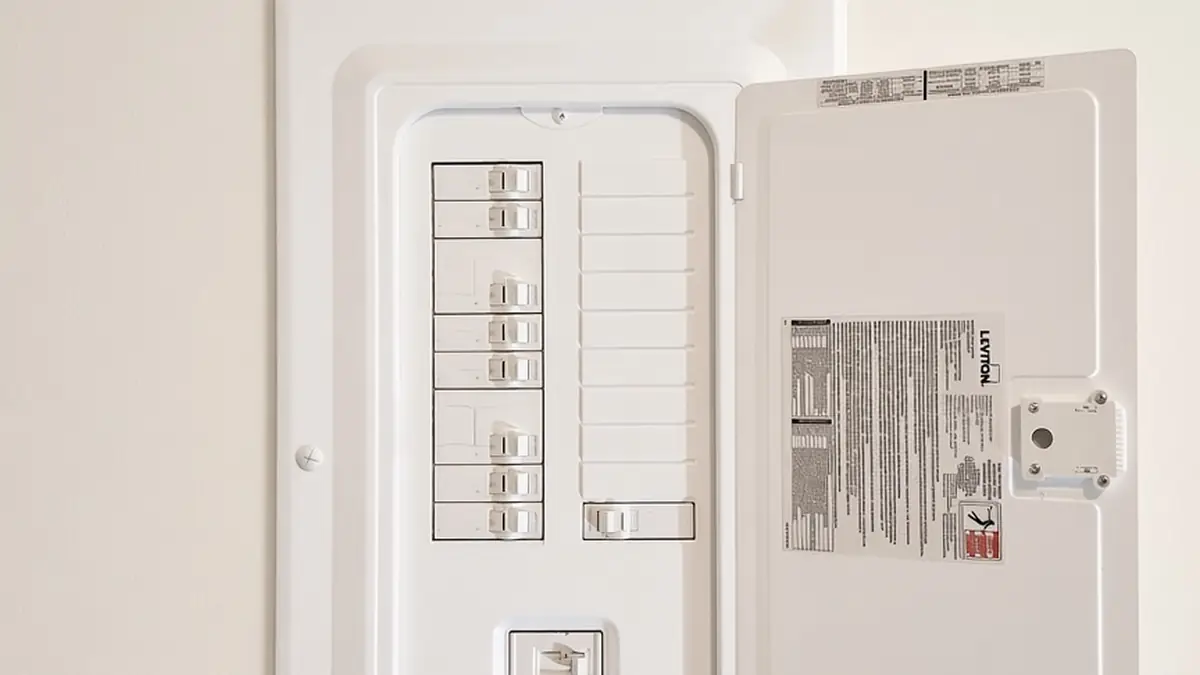
A panel-mounted surge protective device is designed to redirect excess voltage safely away from your branch circuits. It protects the electrical system as a whole, rather than protecting only the items plugged into one power strip. The device cannot guarantee that every electronic item will survive every event, particularly a direct lightning strike, but it adds meaningful protection where it matters most: at the source of your home or building’s power distribution.
Why Plug-In Power Strips Are Not Enough
A quality plug-in surge strip still has a place. It is helpful for computers, televisions, gaming systems, and other especially sensitive equipment. The limitation is coverage. It cannot protect hardwired equipment, including an HVAC system, dishwasher, oven controls, garage-door opener, or many lighting systems.
It also only protects the devices plugged into that specific strip. A whole home surge protector works alongside point-of-use protection, not against it. Think of the panel device as the first barrier and a quality surge strip as added protection for valuable electronics.
Be careful with inexpensive power strips labeled as “surge protected.” Some provide limited protection, and their internal components can wear out over time. If the indicator light is off or the strip is damaged, overheated, or cracked, replace it. Never overload one strip with multiple high-demand appliances.
Signs Your Property Could Benefit From Surge Protection
Many homes and commercial spaces can benefit, but certain situations make the upgrade especially sensible. If you have had a recent panel replacement or are planning a panel upgrade, surge protection is often straightforward to include during the work. The same is true when adding an EV charger, generator hookup, new HVAC equipment, or a renovation circuit.
You should also consider it if electronics and appliance boards seem to fail sooner than expected, lights flicker when major equipment starts, or your building is served by overhead utility lines. These symptoms do not automatically mean a surge problem. Flickering lights, recurring breaker trips, warm outlets, and burning odors can point to loose connections, overloaded circuits, or other hazards that need prompt troubleshooting. Surge protection cannot correct those conditions.
For business owners and property managers, the calculation often comes down to downtime. A voltage event can affect internet equipment, security systems, POS terminals, access controls, office computers, refrigeration controls, and tenant-owned electronics. Protecting the panel is one practical step toward reducing interruptions and costly service calls.
What Installation Involves
A licensed electrician installs the surge protective device at or near the main electrical panel. The exact installation method depends on the panel type, available space, service configuration, grounding system, and the device selected. This is not a DIY project. Work inside a live electrical panel carries serious shock and fire risks, and an improperly installed device may not protect the system as intended.
Before installation, the electrician should inspect the panel and grounding. Proper grounding and bonding are essential because surge energy needs a safe path away from the electrical system. If your panel is outdated, damaged, overcrowded, or showing signs of corrosion, the right answer may involve repairs or a panel upgrade before adding new equipment.
The device itself should be appropriately rated for the property and installed according to manufacturer instructions and current electrical code requirements. A professional will also verify whether the unit has status lights or other indicators that allow you to confirm it is still operating. Like other protective equipment, surge devices do not last forever. A major surge can reduce or use up their protective capacity.
Does a Whole Home Surge Protector Protect Against Lightning?
It helps, but expectations should be realistic. No residential or commercial surge device can promise complete protection from a direct lightning strike. Lightning carries extraordinary energy, and damage can travel through electrical wiring, cable lines, phone lines, and other paths.
What a properly installed system can do is improve protection from common electrical surges, including those related to nearby lightning activity and utility switching. Layered protection is the best approach: a panel-mounted device, quality surge strips for sensitive electronics, proper grounding, and attention to cable or communication-line protection where applicable.
During severe storms, avoid relying on extension cords or overloaded power strips. If you have concerns about repeated outages, flickering, or equipment damage after a storm, schedule an electrical inspection. Do not ignore a buzzing panel, a burning smell, scorch marks, or breakers that will not reset. Those conditions need immediate professional attention.
Choosing the Right Time to Install One
The best time is often before a failure makes the decision for you. Installing surge protection during a planned electrical project can be efficient, but it is also a worthwhile standalone upgrade for homes with expensive appliances and electronics.
Older homes deserve special attention. Many have added modern loads over the years without updates to the panel, grounding, or circuit capacity. A surge protector may be part of the solution, but an honest assessment may reveal other work needed to bring the system up to a safer standard. The goal should never be a quick patch that leaves an underlying electrical problem in place.
If you are preparing for an EV charger, installing a generator transfer switch, remodeling a kitchen, or replacing an electrical panel, ask for surge protection as part of the estimate. It is easier to make an informed choice when the electrical system is already being evaluated.
Get Clear Answers Before You Install
The right device and installation depend on your electrical panel, the age and condition of the system, and the equipment you want to protect. An electrician should explain what the device does, what it does not do, and whether any panel or grounding repairs are needed first. You deserve upfront pricing and recommendations based on the condition of your property, not a one-size-fits-all sales pitch.
Shocking Electric Solutions provides licensed, insured electrical work for homeowners in Newnan and nearby communities, with clean, professional workmanship and a two-year warranty on completed work. If you are seeing electrical warning signs or planning an upgrade, book early and have the panel evaluated before a surge turns into a larger repair.
Surge Protection for Georgia Storms
Lightning is common across Coweta County in summer, and surges from storms or from utility switching can damage HVAC boards, appliances and electronics in homes from Newnan to Peachtree City. A whole-home surge protector installed at the panel is the first line of defense. See our surge protection service and our electrical panel upgrades.
Shocking Electric Solutions, Inc. is a licensed Georgia electrical contractor (license EN216120) at 1002 Highway 16 W, Suite A, Newnan, GA 30263. We serve Newnan, Coweta County, Senoia, Sharpsburg, Peachtree City, Carrollton, Riverdale and south Atlanta, and our work is backed by a 2-year warranty. Office hours are Monday through Friday, 8 AM to 5 PM, and we can also help with electrical emergencies.
Ready to get it fixed? Call (678) 552-9399, text (470) 516-7261, or book online.