
Electrical problem at home? Talk to a licensed Newnan electrician.
Free estimates · GA License EN216120 · Mon–Fri 8–5
A breaker that trips once may be an inconvenience. A breaker that keeps tripping, outlets that feel warm, or lights that flicker when the HVAC starts are warnings your electrical system needs attention. The best electrical safety upgrades protect your home before a small symptom turns into damaged equipment, a shock hazard, or a fire risk.
For homeowners in Newnan and nearby communities, the right upgrade depends on the age of the house, the condition of the panel, and how you use power now. A home built for a few lamps and basic appliances may be carrying EV charging, home-office equipment, smart devices, larger HVAC systems, and more. The goal is not to add gadgets. It is to make sure the electrical system is safe, code-compliant, and ready for the way your household actually lives.
1. Upgrade an Unsafe or Overloaded Electrical Panel
Your electrical panel is the control center for the home. When it is outdated, damaged, undersized, or packed with improperly installed breakers, every circuit downstream is affected. A modern panel upgrade can improve capacity, organize circuits correctly, and provide room for safety devices required in newer installations.
Warning signs include breakers that trip repeatedly, rust or corrosion inside the panel, buzzing, a burning smell, scorch marks, or a panel that feels unusually warm. You should also have the panel evaluated before a major renovation, HVAC replacement, hot tub installation, or EV charger project. Adding high-demand equipment to a panel that is already near capacity is not a shortcut worth taking.
A panel replacement is a larger investment than replacing a single outlet, so it is not automatically the first answer. Sometimes a licensed electrician can correct a specific circuit issue or replace a failed breaker. But if the panel itself is unsafe or cannot support your home’s electrical load, repairing around it only delays the real solution.
2. Add Whole-Home Surge Protection
Most people think of surge protection as a power strip behind a television. Those strips can help with small surges, but they do not protect every hardwired appliance and system in the house. A whole-home surge protector is installed at or near the electrical panel to help defend against voltage spikes coming from the utility line, lightning activity, or large equipment cycling on and off.
Today’s homes contain expensive electronics that are more sensitive than older equipment. Refrigerators, heat pumps, garage-door openers, televisions, routers, security systems, and smart appliances all contain circuit boards. A major surge can cause immediate damage, but smaller repeated surges can also shorten equipment life over time.
Whole-home surge protection works best as part of a layered approach. The panel-mounted device protects the electrical system broadly, while quality point-of-use protection can add another level of defense for valuable electronics. It does not make a home invincible during a direct lightning strike, but it is one of the most practical electrical safety upgrades for reducing everyday surge exposure.
3. Install GFCI Protection Where Water Is Present
Water and electricity are a dangerous combination. Ground-fault circuit interrupter, or GFCI, protection is designed to shut off power quickly when it detects an imbalance that can indicate electricity is traveling somewhere it should not, including through a person.
GFCI protection is commonly required in locations such as bathrooms, kitchens, garages, unfinished basements, laundry areas, crawl spaces, outdoor outlets, and other damp or wet locations. In an older home, outlets in these areas may look normal but lack the protection current safety standards call for.
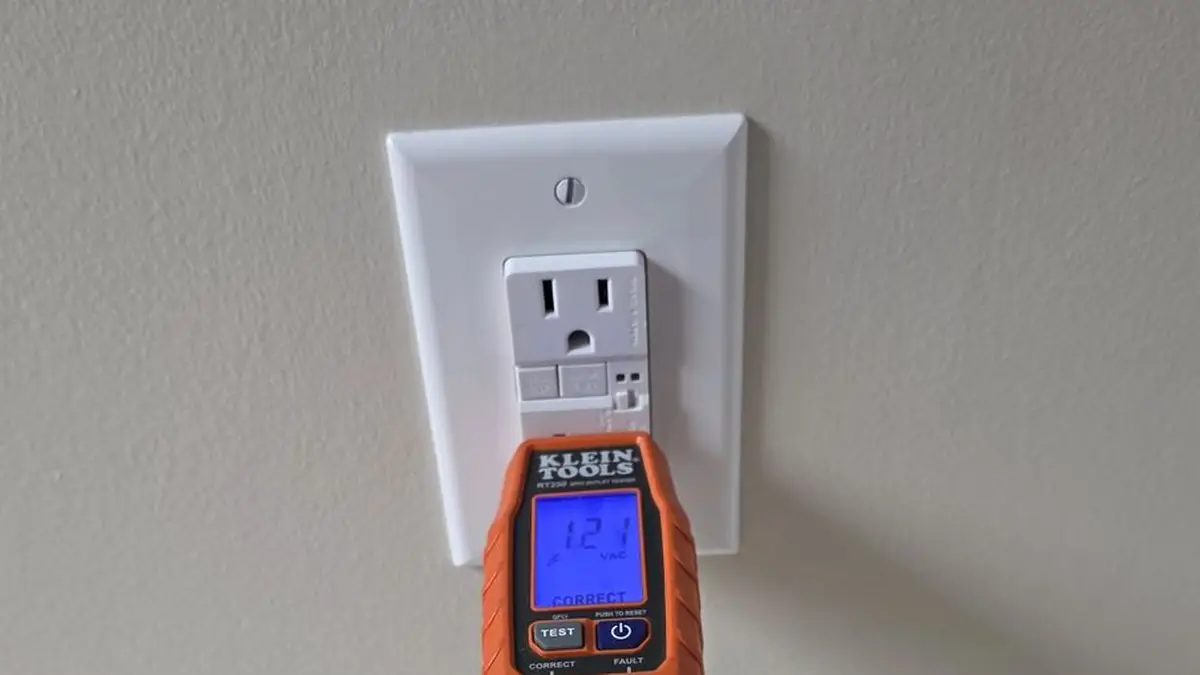
A GFCI outlet has test and reset buttons, although GFCI protection can also be provided by a breaker in the panel. Which option is appropriate depends on the circuit layout and the area being protected. If an outlet will not reset, trips frequently, or shows signs of moisture damage, do not keep forcing it back on. Have the cause identified and repaired.
4. Add AFCI Protection to Reduce Arc-Fault Risks
Arc-fault circuit interrupter, or AFCI, protection addresses a different hazard. It is designed to detect dangerous arcing that can happen when a wire is damaged, a connection is loose, or a cord is compromised. Those arcs can create heat inside walls or at connections before there is an obvious problem at the outlet.
AFCI protection is often used on circuits serving bedrooms, living areas, hallways, and other parts of the home. It is particularly valuable during renovations, panel work, or when an electrical safety inspection finds aging wiring and questionable connections.
Because AFCIs are sensitive by design, a tripping AFCI breaker should not be treated as a nuisance. It could be reacting to a damaged appliance cord, loose outlet, failing device, or wiring issue. An electrician can test the circuit and separate a legitimate electrical concern from a device-related problem. Replacing the breaker without finding the cause is not a permanent repair.
5. Replace Damaged Outlets, Switches, and Wiring
The electrical parts you touch every day deserve more attention than they usually get. Cracked outlet covers, loose plugs, switches that spark, discolored receptacles, and outlets that only work when a cord is held at a certain angle are not cosmetic problems. They can point to worn devices, loose connections, or damage behind the wall.
This is also a good time to address older two-prong outlets. They may be functional for low-demand items, but they do not provide the grounding needed for many modern appliances and electronics. The safe solution varies. It may involve running a properly grounded circuit, adding GFCI protection where permitted, or updating wiring during a renovation. Simply installing a three-prong receptacle on an ungrounded circuit can create a false sense of safety.
If your home has aluminum branch wiring, cloth-insulated wiring, or evidence of DIY electrical modifications, schedule an inspection rather than guessing. The best repair may be limited to specific connections, or it may call for a larger wiring plan. A clear diagnosis helps you prioritize the work without spending money in the wrong place.
6. Prepare Safely for a Generator or EV Charger
Portable generators and EV chargers add real convenience, but both place serious demands on an electrical system. A generator should never be connected through a dryer outlet, a range outlet, or any improvised backfeeding method. That can energize utility lines and put utility workers, neighbors, and your own equipment at risk.
A properly installed generator inlet and transfer switch provide a safe, controlled way to power selected circuits during an outage. The right setup depends on what you need to keep running, such as refrigeration, medical equipment, lighting, internet service, sump pumps, or select HVAC equipment. A load calculation helps prevent overloads when the generator is operating.
EV chargers deserve the same planning. A dedicated circuit, correct wire size, proper breaker, and panel capacity check are essential. Level 2 charging is a major upgrade for many households, but it should be installed by a licensed professional who verifies that the electrical system can support it safely.
7. Schedule an Electrical Safety Inspection Before Trouble Starts
An inspection is especially worthwhile when you are buying an older home, planning a remodel, adding major appliances, or managing a rental or commercial property. It gives you a chance to find unsafe conditions before they become an emergency call.
During an inspection, a qualified electrician can assess the panel, grounding and bonding, breaker condition, outlet and switch safety, visible wiring, GFCI and AFCI needs, and signs of overloaded circuits. You should receive straightforward recommendations that separate urgent repairs from improvements that can be planned over time.
Do not wait for a complete power failure if you notice repeated breaker trips, buzzing, hot outlets, burning odors, or flickering lights. Turn off power to the affected area if you can do so safely, avoid using the circuit, and call for professional help. Shocking Electric Solutions provides clean, professional workmanship, honest recommendations, and a two-year warranty on completed work, so you can move forward knowing the job is done right the first time.
The safest next step is often simple: address the symptom you are seeing now, then ask whether the circuit, panel, and protection devices are prepared for what your home will need next year.
Safety Upgrades for Coweta County Homes
The upgrades we recommend most to homeowners in Newnan, Senoia and Peachtree City are whole-home surge protection, updated GFCI and AFCI protection, and interconnected smoke alarms. Older homes may need panel work first. See our surge protection service and electrical panel upgrades.
Shocking Electric Solutions, Inc. is a licensed Georgia electrical contractor (license EN216120) at 1002 Highway 16 W, Suite A, Newnan, GA 30263. We serve Newnan, Coweta County, Senoia, Sharpsburg, Peachtree City, Carrollton, Riverdale and south Atlanta, and our work is backed by a 2-year warranty. Office hours are Monday through Friday, 8 AM to 5 PM, and we can also help with electrical emergencies.
Ready to get it fixed? Call (678) 552-9399, text (470) 516-7261, or book online.