
Electrical problem at home? Talk to a licensed Newnan electrician.
Free estimates · GA License EN216120 · Mon–Fri 8–5
A breaker that trips once can be inconvenient. A breaker that keeps tripping, a warm outlet, or lights that flicker when an appliance starts can be a warning that should not wait. These electrical repair questions come up often in Newnan homes, and the right response depends on what the system is telling you.
Electrical problems are not always dramatic. Sometimes the first sign is a plug that no longer fits tightly, a light switch that crackles, or one room that loses power while the rest of the building is fine. Knowing what is safe to check and when to call a licensed electrician can prevent a small issue from becoming equipment damage, a major repair, or a fire risk.
Electrical Repair Questions About Immediate Danger
Some symptoms call for immediate action, not troubleshooting. If you notice any of the following, stop using the affected circuit and arrange professional electrical service as soon as possible:
- A burning smell, smoke, sparks, or scorch marks around an outlet, switch, panel, or appliance
- An outlet, plug, switch plate, or electrical panel that feels hot to the touch
- Repeated shocks or tingling when touching an appliance, switch, faucet, or metal fixture
- Water near an electrical panel, outlet, extension cord, or powered equipment
If there is active smoke, fire, or an immediate threat, get everyone out of the building and call 911. Do not attempt to put out an electrical fire with water. For a hot outlet or burning smell without visible flames, turn off power at the breaker only if you can do so safely without approaching damaged equipment. Then leave the circuit off.
A warm phone charger can be normal. A warm wall outlet, loose plug, or discolored cover plate is not. Heat often points to a loose connection, overloaded circuit, damaged wiring, or failing device. Those issues need to be found and corrected at the source, not covered with a new faceplate or ignored because the outlet still works.
Why Does My Breaker Keep Tripping?
A circuit breaker trips to protect wiring from overheating. Resetting it once after an obvious overload may be reasonable. For example, a space heater, microwave, and coffee maker running on the same kitchen circuit can demand more power than the circuit is designed to carry.
But a breaker that trips repeatedly is doing its job. The cause could be an overloaded circuit, a damaged appliance, a loose connection, a short circuit, or wiring that has deteriorated. Continuing to reset the breaker can push a developing problem further down the road while leaving the wiring exposed to stress.
Start by unplugging items on that circuit and resetting the breaker once. If it holds, plug items back in one at a time. If it trips again with everything unplugged, or trips immediately after resetting, leave it off and call an electrician. Do not replace a breaker with a larger one to stop nuisance trips. Breaker size must match the wire size and the circuit design. A larger breaker can allow wiring to overheat before it shuts off.
For businesses and rental properties, repeated trips can also mean a circuit no longer matches how the space is being used. Added computers, refrigeration, equipment, or tenant improvements may require dedicated circuits or a panel upgrade rather than another temporary workaround.
What Causes Flickering Lights?
One flickering bulb may be as simple as a loose bulb or a failing LED lamp. Turn the fixture off, let it cool, and make sure the bulb is properly seated. If the bulb is old, replacing it with a quality, compatible LED may solve the problem.
Flickering throughout a room, several rooms, or the whole building needs more attention. It can be caused by a loose wiring connection, an overloaded circuit, a failing switch, a panel issue, or a problem with the incoming electrical service. Lights that dim noticeably when the HVAC system, dryer, or another large appliance starts may indicate a load or connection issue worth evaluating.
Pay attention to the pattern. Does the flickering happen only with one fixture? Only when a certain appliance runs? Only during storms? These details help an electrician troubleshoot efficiently. If lights brighten and dim unpredictably across the home, especially alongside buzzing or hot equipment, do not wait for the problem to get worse.
Why Did an Outlet Stop Working?
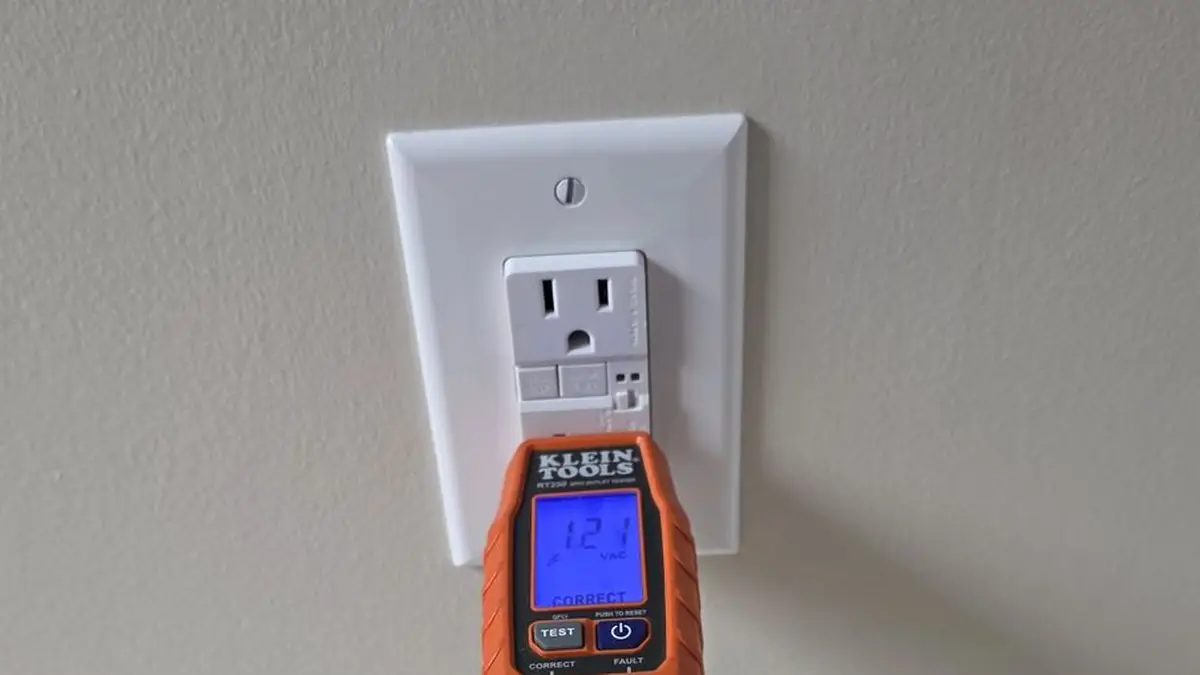
A dead outlet does not always mean the outlet itself has failed. First, check whether a breaker has tripped. Then look for a GFCI outlet with TEST and RESET buttons nearby. Bathrooms, kitchens, garages, laundry areas, exterior outlets, crawl spaces, and unfinished areas often have GFCI protection. One tripped GFCI can shut off several downstream outlets.
Press RESET firmly once. If it will not reset, trips again, or there is moisture present, stop there. A GFCI that will not reset may be doing so because it detects a fault, has reached the end of its service life, or is protecting a circuit with a wiring issue.
Avoid treating a dead outlet as a reason to rely on extension cords. Extension cords are temporary solutions, not permanent wiring. If an outlet is loose, cracked, discolored, intermittently powered, or unable to hold a plug securely, it should be repaired or replaced. For rooms that depend on power strips every day, adding properly located outlets is usually the safer long-term answer.
Are GFCI and AFCI Breakers Really Necessary?
Yes, when required by current code or when they are needed to protect a specific area or circuit. GFCI protection is designed to reduce shock hazards, especially where electricity and water can meet. It quickly shuts off power when it detects current taking an unintended path, such as through a person or wet surface.
AFCI protection addresses a different risk. It is designed to detect dangerous electrical arcing that can occur from damaged cords, loose connections, aging wiring, or pinched wires. Arc faults may create heat inside walls or at connections before you see a visible problem.
These devices can occasionally trip because of a failing appliance, damaged cord, or incompatible equipment. That does not mean the protection is the problem. Removing or bypassing GFCI or AFCI protection to stop a trip can remove a critical safety feature. An electrician can identify whether the device is faulty, the circuit has a problem, or a connected item needs replacement.
When Is an Electrical Panel Upgrade Worth It?
An older panel is not automatically unsafe, and a new panel is not a cure for every electrical issue. The decision depends on the panel’s condition, capacity, manufacturer, available space, and the demands being placed on the system.
A panel evaluation makes sense when breakers trip often, there are signs of corrosion or overheating, the panel is full, or you are planning a renovation. It is also common before installing an EV charger, adding a generator connection, finishing a basement, upgrading HVAC equipment, or expanding a commercial space.
The best answer is not always a full replacement. Some properties need a new dedicated circuit, a subpanel, surge protection, or repairs to existing connections. Others need a panel replacement because the equipment is outdated, damaged, undersized, or no longer suitable for the building’s electrical load. Honest recommendations should be based on an inspection, not a one-size-fits-all sales pitch.
Can I Handle Small Electrical Repairs Myself?
Changing a light bulb, resetting a breaker after a clear overload, or testing a GFCI outlet are generally reasonable homeowner tasks. Replacing switches, outlets, breakers, panel components, or wiring carries more risk than it appears to. A connection that feels secure can still be improperly terminated, overloaded, or connected to the wrong conductor.
Electrical work also has code requirements that protect people and property long after the repair is complete. This matters even more in older homes, remodeled spaces, rental properties, and commercial buildings where previous work may be unknown. The goal is not simply to restore power. It is to correct the actual failure and make sure the circuit is safe for continued use.
What Should I Tell the Electrician?
A clear description can speed up diagnosis. Note when the issue began, which rooms or equipment are affected, whether a breaker or GFCI trips, and what was running at the time. Photos of discoloration or damaged outlets can help, but never remove panel covers or take apart equipment to investigate.
For property managers and business owners, share whether the problem affects tenants, safety equipment, refrigeration, point-of-sale systems, or operating hours. That helps prioritize the repair and plan work with as little disruption as possible.
Shocking Electric Solutions provides licensed, insured electrical repair and troubleshooting for homeowners in Newnan and nearby communities. The focus is straightforward: identify the cause, explain the repair clearly, and complete code-compliant work that is done right the first time, backed by a two-year workmanship warranty.
A circuit that is trying to get your attention rarely becomes less urgent by being ignored. If something is hot, buzzing, tripping, flickering, or losing power, leave unsafe equipment alone and get a qualified electrician involved before the next reset becomes a bigger problem.
Electrical Repairs in Newnan
Burning smells, hot outlets, repeated breaker trips and partial power loss are the warning signs we tell homeowners in Newnan, Senoia and Sharpsburg never to ignore. See our troubleshooting and repair service and our Electrical Troubleshooting & Repair in Newnan, GA.
Shocking Electric Solutions, Inc. is a licensed Georgia electrical contractor (license EN216120) at 1002 Highway 16 W, Suite A, Newnan, GA 30263. We serve Newnan, Coweta County, Senoia, Sharpsburg, Peachtree City, Carrollton, Riverdale and south Atlanta, and our work is backed by a 2-year warranty. Office hours are Monday through Friday, 8 AM to 5 PM, and we can also help with electrical emergencies.
Ready to get it fixed? Call (678) 552-9399, text (470) 516-7261, or book online.