
Electrical problem at home? Talk to a licensed Newnan electrician.
Free estimates · GA License EN216120 · Mon–Fri 8–5
A breaker trips again just after you reset it. One room loses power while the rest of the house is fine. Lights flicker when the HVAC starts. These are frustrating problems, but the electrical troubleshooting process should begin with safety, not guesswork. Electricity can point to a simple issue, such as an overloaded circuit, or a dangerous one hidden in a panel, outlet, connection, or appliance.
For homeowners, property managers, and business owners in Newnan and nearby communities, the goal is not to become an electrician overnight. It is to recognize what you can safely check, document the symptoms clearly, and know when to stop and call a licensed professional. That protects people, property, and the electrical system itself.
Start the Electrical Troubleshooting Process With the Symptoms
Before touching a breaker or outlet, pay attention to exactly what is happening. Good details help identify whether the issue affects a single device, one circuit, or the entire electrical service.
Ask a few practical questions. Did the problem start after plugging in a space heater, air fryer, power tool, or other high-demand appliance? Does it happen at a specific time of day or only during rain? Is the issue limited to one outlet, one room, or several areas? Have you noticed buzzing, heat, burning odors, discoloration, or a breaker that will not stay on?
A dead outlet may be a tripped GFCI device in a nearby bathroom, garage, kitchen, laundry area, or exterior location. Flickering lights may be caused by a loose bulb or incompatible dimmer, but widespread flickering can also indicate a loose connection or service problem. The same symptom can have very different causes, which is why a careful process matters.
If you smell burning, see smoke or sparks, hear sustained buzzing, find a hot outlet or panel, or have water near electrical equipment, do not continue checking things. Move away from the area, keep others clear, and call for urgent electrical service. If there is an active fire or immediate danger, call 911.
Check the Safe, Simple Possibilities First
There are a few homeowner checks that can be done without removing covers, handling wiring, or taking apart equipment. Keep hands dry, stand on a dry floor, and never use damaged cords or tools.
First, look at the affected appliance or device. Unplug it if it is safe to do so, and inspect the cord and plug for damage, melting, or bent prongs. A failing appliance can trip a breaker even when the house wiring is otherwise in good condition. Do not keep testing a device that feels hot, smells burnt, or has visible damage.
Next, check whether the circuit breaker has tripped. A tripped breaker may sit between the ON and OFF positions. To reset it, move it firmly all the way to OFF first, then back to ON. If it trips immediately, leave it off. Repeated resets can overheat damaged wiring or allow a fault to worsen.
If an outlet has stopped working, look for a GFCI receptacle with TEST and RESET buttons. These protective devices are commonly installed where moisture is possible. Press RESET once. If it will not reset, or it resets but quickly trips again, the circuit needs professional diagnosis.
For a business property, this same approach applies, but the stakes can be higher. A circuit serving refrigeration, computers, security equipment, point-of-sale systems, or essential lighting should not be repeatedly reset while employees work around the problem. Note the affected equipment and arrange service promptly to reduce downtime and avoid equipment damage.
Know What a Tripped Breaker Is Telling You
A breaker is designed to shut off power when it detects an overload, short circuit, ground fault, or internal problem. It is a safety device, not an inconvenience to bypass.
An overload occurs when too many electrical loads run on the same circuit. Portable heaters, microwaves, hair tools, window AC units, and shop equipment can draw significant power. Moving one appliance to another properly supplied circuit may solve the immediate overload, but it does not create more capacity in the home or building.
A short circuit or ground fault is more serious. It may be caused by damaged wiring, moisture, a bad receptacle, a loose connection, or faulty equipment. Breakers that trip instantly, especially when nothing is plugged in, deserve prompt attention from a licensed electrician.
Older panels, undersized circuits, outdated wiring, and DIY additions can complicate the diagnosis. The repair might be straightforward, or it may reveal a need for a new circuit, GFCI or AFCI protection, panel repair, or a service upgrade. Honest troubleshooting means identifying the actual cause instead of offering a temporary reset and hoping the issue does not return.
Warning Signs That Mean Stop and Call an Electrician
Some electrical problems are not suitable for homeowner troubleshooting. Do not remove a panel cover, open an outlet box, replace a breaker with a larger size, or attempt to repair wiring yourself. A breaker that trips is not “too sensitive” simply because it is inconvenient.
Call a licensed electrician if you notice four or more of these warning signs:
- A breaker trips repeatedly or will not reset.
- Lights dim or flicker in multiple rooms.
- An outlet, switch, cord, or panel feels warm or hot.
- You see scorch marks, melting, sparking, or discoloration.
- There is a burning or fish-like odor near electrical equipment.
- Power cuts in and out without an obvious cause.
- An outlet is loose, cracked, wet, or makes a buzzing sound.
- You rely on extension cords because there are not enough outlets.
- A panel has corrosion, water exposure, or signs of age and damage.
These signs can indicate loose connections, failing components, overloaded circuits, water intrusion, or other conditions that increase fire and shock risk. Waiting may turn a contained repair into damaged equipment, lost business time, or a serious safety event.
What a Professional Electrical Diagnosis Looks Like
A qualified electrician does more than flip the breaker back on. A proper electrical troubleshooting process starts by listening to the symptoms, reviewing which circuits and equipment are involved, and inspecting the condition of the panel, devices, and accessible wiring.
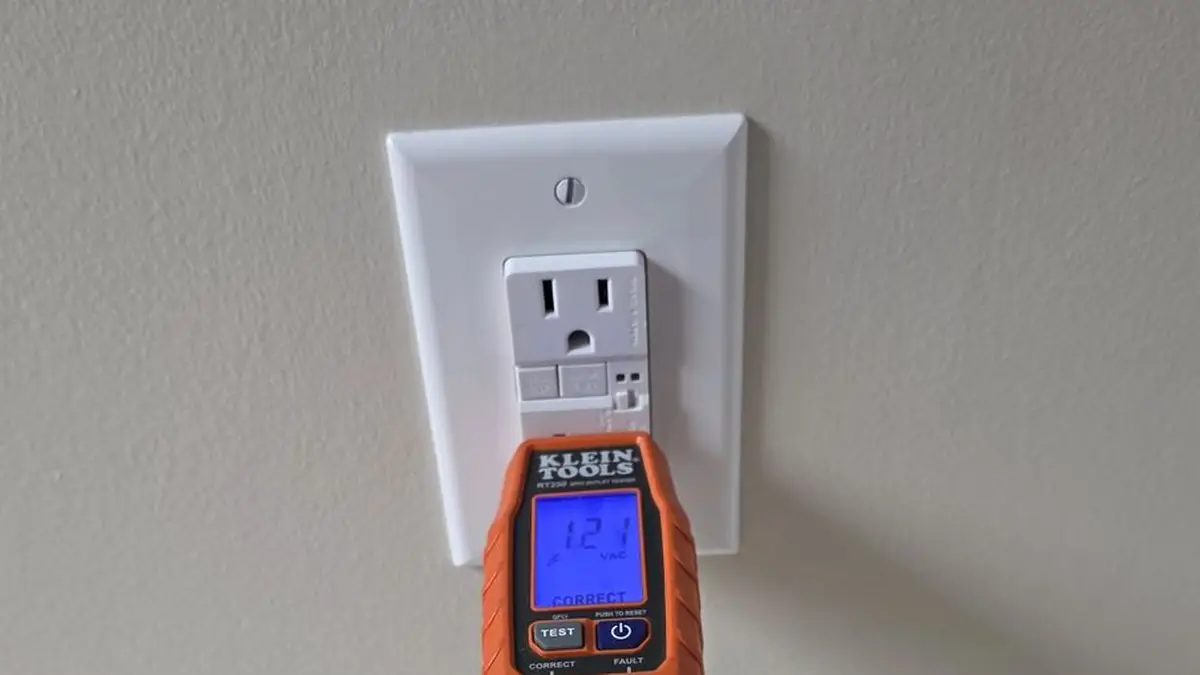
Testing is performed with the correct equipment and safety procedures. The electrician may check voltage, grounding, circuit load, connections, protective devices, and the condition of outlets or switches. For intermittent problems, the pattern matters. A light that flickers only when a large appliance starts tells a different story than a light that flickers randomly throughout the day.
The best repair depends on the root cause. It could be a failed receptacle, a loose neutral, damaged wiring, a worn breaker, a GFCI issue, or insufficient circuit capacity. In some cases, adding a dedicated circuit is the safer long-term answer. In others, a panel replacement or upgrade is appropriate because the existing equipment cannot safely support current household or business demands.
A professional should explain the findings in plain language, outline the repair options, and provide upfront pricing before work begins. That gives you the information needed to make a confident decision without technical jargon or pressure.
Prevent the Next Electrical Problem
Most electrical issues do not announce themselves all at once. Preventive attention is especially valuable before a renovation, EV charger installation, generator hookup, major appliance purchase, or commercial equipment upgrade. These projects can add substantial demand to an electrical system that was designed for a different era.
Avoid overloading power strips, replace damaged cords promptly, and keep outdoor and wet-area outlets protected by properly working GFCI devices. If your home has frequent breaker trips, limited outlets, an aging panel, or flickering lights, schedule an electrical safety inspection before a small problem becomes urgent.
Shocking Electric Solutions provides licensed, insured electrical repairs and troubleshooting for Newnan-area homes, with clean professional workmanship and a two-year warranty on completed work. When an electrical issue keeps returning, the right next step is a real diagnosis and a repair done right the first time.
Troubleshooting in Newnan and Coweta County
For homes in Newnan, Sharpsburg and Peachtree City, a careful troubleshooting process saves money because it fixes the cause, not just the symptom. See our troubleshooting and repair service and our electrical diagnostics page.
Shocking Electric Solutions, Inc. is a licensed Georgia electrical contractor (license EN216120) at 1002 Highway 16 W, Suite A, Newnan, GA 30263. We serve Newnan, Coweta County, Senoia, Sharpsburg, Peachtree City, Carrollton, Riverdale and south Atlanta, and our work is backed by a 2-year warranty. Office hours are Monday through Friday, 8 AM to 5 PM, and we can also help with electrical emergencies.
Ready to get it fixed? Call (678) 552-9399, text (470) 516-7261, or book online.