
Electrical problem at home? Talk to a licensed Newnan electrician.
Free estimates · GA License EN216120 · Mon–Fri 8–5
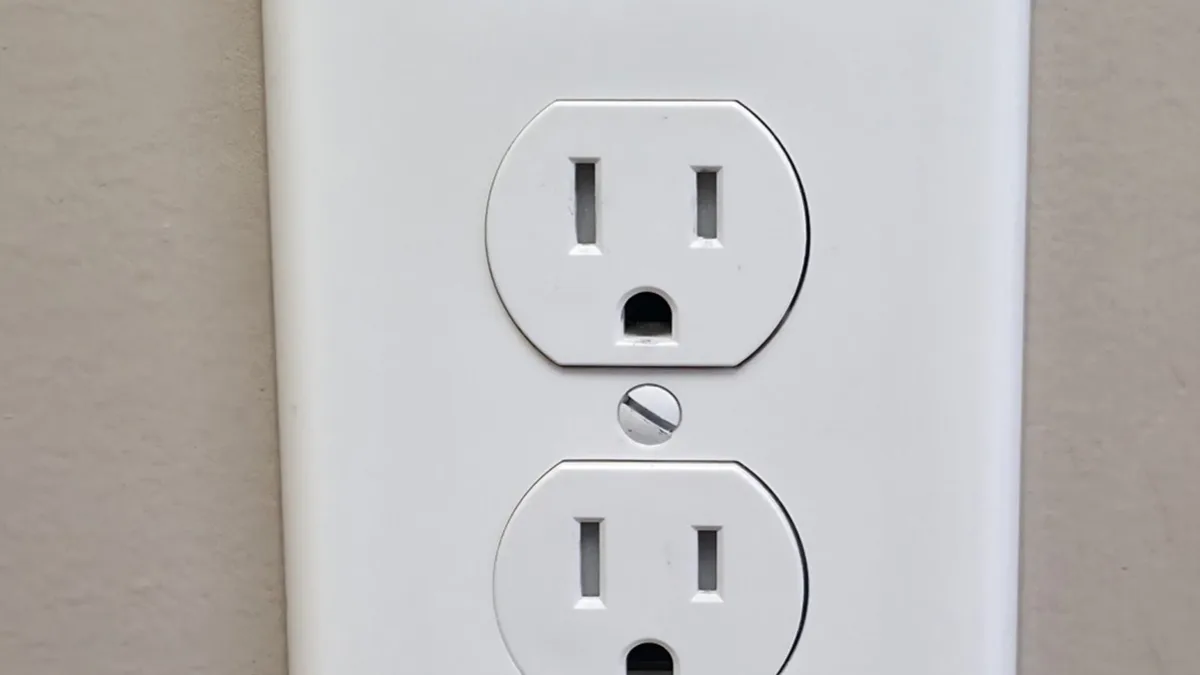
A phone charger goes dead. The lamp will not turn on. You plug something into an outlet that worked yesterday, and nothing happens. When an outlet stopped working suddenly, it is tempting to assume the receptacle itself is bad. Sometimes that is true. Just as often, the dead outlet is a symptom of a tripped safety device, an overloaded circuit, a loose connection, or a wiring problem farther up the line. If your outlet stopped working but the breaker is not tripped, the cause is usually one of the issues below.
The right response is calm but prompt. A dead outlet can be a simple reset, but heat, burning smells, repeated trips, or intermittent power should never be treated as a minor inconvenience. Electrical problems do not improve with continued use.
First, Rule Out the Simple Causes Safely
Before calling for repair, unplug the device you were using and test the outlet with a small lamp or charger that you know works. This helps separate an outlet problem from a failed appliance, power strip, or charger. Do not keep plugging in multiple devices if you notice sparking, warmth, discoloration, or a burnt odor.
Next, check whether nearby outlets, lights, or equipment are also out. That detail matters. One dead outlet may point to a worn receptacle or loose connection. Several dead outlets may indicate a tripped breaker, a GFCI device, or a circuit issue.
A quick visual check is reasonable. If the outlet cover is cracked, the receptacle feels loose, or a plug falls out easily, stop using it. Do not remove the cover plate or attempt to tighten wiring unless you are qualified to do electrical work. Loose electrical connections can arc behind the wall, creating heat where you cannot see it.
Check the Breaker and Nearby GFCI Outlets
Many outlets are protected by a circuit breaker in the electrical panel. Look for a breaker that is sitting between ON and OFF, rather than fully in either position. To reset it, switch it firmly all the way OFF first, then back ON. If it trips immediately or trips again after you restore power, leave it off and schedule a licensed electrician. Repeated breaker trips are the system telling you there is a problem that needs correction.
Also look for GFCI outlets, which have TEST and RESET buttons. They are common in bathrooms, kitchens, garages, laundry rooms, unfinished basements, exterior areas, and commercial spaces with sinks or moisture exposure. A single GFCI can protect other outlets downstream, including outlets in another room, a garage, or outside.
Press RESET once on any relevant GFCI outlet. If it will not reset, or resets and quickly trips again, do not force it. The cause could be moisture, a defective device, a damaged appliance, or a fault in the wiring. The outlet may be doing exactly what it was designed to do: cutting power before someone gets hurt.
Outlet Stopped Working but the Breaker Isn’t Tripped? Common Causes
Electrical troubleshooting is not guesswork when it is done correctly. A licensed electrician traces the affected circuit, tests the devices and connections, and identifies the source before making a repair. The most common causes include the following.
A tripped breaker or GFCI protection device
This is often the best-case scenario. Too many devices on one circuit, a temporary fault in an appliance, or moisture around an exterior outlet can trip protection. If the device stays reset and there are no warning signs, the issue may have been isolated. If it happens more than once, the cause still deserves professional attention.
A failed or worn-out receptacle
Outlets wear out, especially in high-use locations such as kitchens, offices, garages, rental properties, and commercial work areas. Internal contacts can loosen, and the device can eventually fail. A replacement is straightforward only after confirming that the circuit and wiring are otherwise sound.
A loose connection behind the outlet or at another outlet
One loose wire can affect every outlet farther along the same circuit. It may cause an outlet to work intermittently before it fails completely. This is one of the reasons a new outlet is not always the right fix. Replacing only the visible device can leave the actual connection problem inside the wall.
An overloaded or damaged circuit
Space heaters, microwaves, hair tools, window air conditioners, refrigerators, shop tools, and modern office equipment can place significant demand on a circuit. Extension cords and power strips may hide the fact that one circuit is carrying too much. Older homes may also have limited circuits for how people live today.
Water exposure or outdoor damage
Rain, irrigation, humidity, plumbing leaks, and condensation can affect outlets in garages, patios, bathrooms, kitchens, and exterior walls. GFCI protection helps reduce shock hazards, but the source of moisture needs to be found and corrected. Outdoor outlets should have appropriate weather-resistant equipment and covers.
A panel or circuit wiring issue
If multiple areas lose power, breakers feel hot, lights flicker, or outages occur without an obvious reason, the problem may extend beyond one outlet. Panel concerns, damaged conductors, and aging wiring require a more thorough diagnosis. This is not a place for a temporary patch.
Warning Signs That Mean Stop Using the Outlet
Some outlet failures can wait for a normal repair appointment. Others need urgent attention. Turn off the circuit if you can do so safely and call for electrical service right away if you notice a burning smell, smoke, buzzing or crackling, sparks, a hot outlet cover, melted plastic, black or brown marks, or a breaker that will not stay on.
The same applies when an outlet becomes loose in the wall or when power cuts in and out as a plug moves. These are signs that electricity may not be flowing through a secure connection. Continuing to use the outlet can increase the risk of arcing and fire.
For a business, do not let employees work around a failed outlet with daisy-chained power strips or extension cords running through walkways. That can create both electrical and trip hazards. A prompt repair protects your staff, customers, equipment, and daily operations.
What Not to Do With a Dead Outlet
Avoid treating a dead outlet as a DIY experiment. Do not replace a breaker with a larger one to stop tripping. Breakers are sized to protect the wiring, and installing an oversized breaker can allow wires to overheat.
Do not bypass a GFCI outlet, tape over damage, use a loose plug, or keep resetting a breaker that trips. It also is not safe to use extension cords as a permanent solution for a room that lacks enough outlets. If you need more capacity or more convenient access to power, the lasting answer may be a new dedicated circuit, additional outlets, or a panel upgrade.
When to Call a Newnan Electrician
Call a professional when the outlet remains dead after a single safe breaker or GFCI reset, when the breaker trips again, or when you cannot identify which circuit serves the outlet. You should also call if the home has older wiring, the problem affects multiple rooms, or there are any heat or odor concerns.
A qualified electrician can test the circuit, repair loose or damaged connections, replace failed outlets and GFCI devices, correct grounding issues, and determine whether the circuit needs an upgrade. The goal should be to solve the cause, not simply restore power for the moment.
For homeowners, property managers, and businesses in Newnan and surrounding communities, Shocking Electric Solutions provides licensed, insured troubleshooting with upfront recommendations and clean, professional workmanship. Repairs are completed to code and backed by a two-year workmanship warranty, so you are not left wondering whether the problem was actually fixed.
A dead outlet may be a small interruption, but it is also useful information about your electrical system. Give it the attention it deserves, avoid risky shortcuts, and have the cause corrected before the next inconvenience becomes a safety issue.
Dead Outlets in Newnan Homes
Most dead outlets we find in Newnan, Sharpsburg and Senoia homes trace back to a tripped GFCI in another room, a loose back-stab connection, or a worn device. If checking breakers and GFCIs does not bring it back, let a licensed electrician find the cause. See our outlet not working page and outlet and GFCI services.
Shocking Electric Solutions, Inc. is a licensed Georgia electrical contractor (license EN216120) at 1002 Highway 16 W, Suite A, Newnan, GA 30263. We serve Newnan, Coweta County, Senoia, Sharpsburg, Peachtree City, Carrollton, Riverdale and south Atlanta, and our work is backed by a 2-year warranty. Office hours are Monday through Friday, 8 AM to 5 PM, and we can also help with electrical emergencies.
Ready to get it fixed? Call (678) 552-9399, text (470) 516-7261, or book online.
Still not sure what is causing the problem? Our electrical troubleshooting and repair in Newnan, GA service finds the real cause and fixes it safely.